Highlights of Rajasthan
From Price per person
based on two persons travelling
$3,243
History & Culture
Next Available Departures
View all scheduled departures
October 2026
November 2026
December 2026
January 2027
February 2027
March 2027
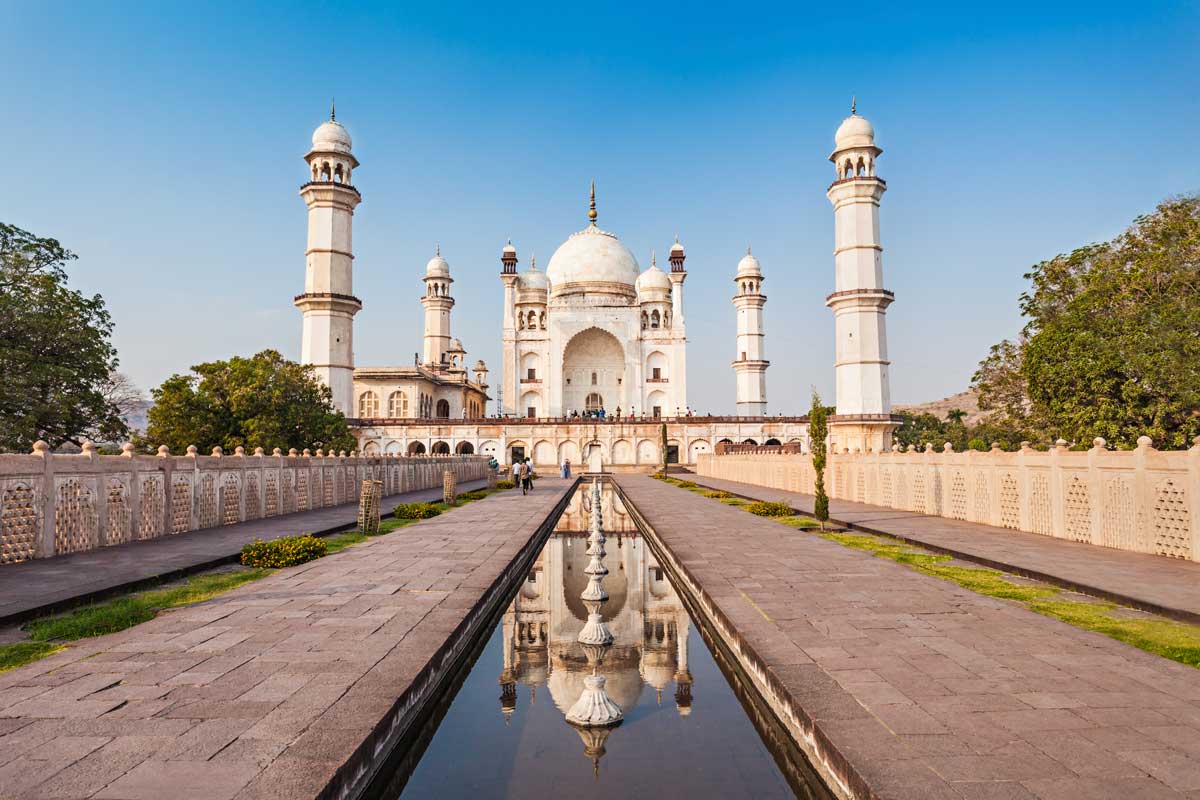
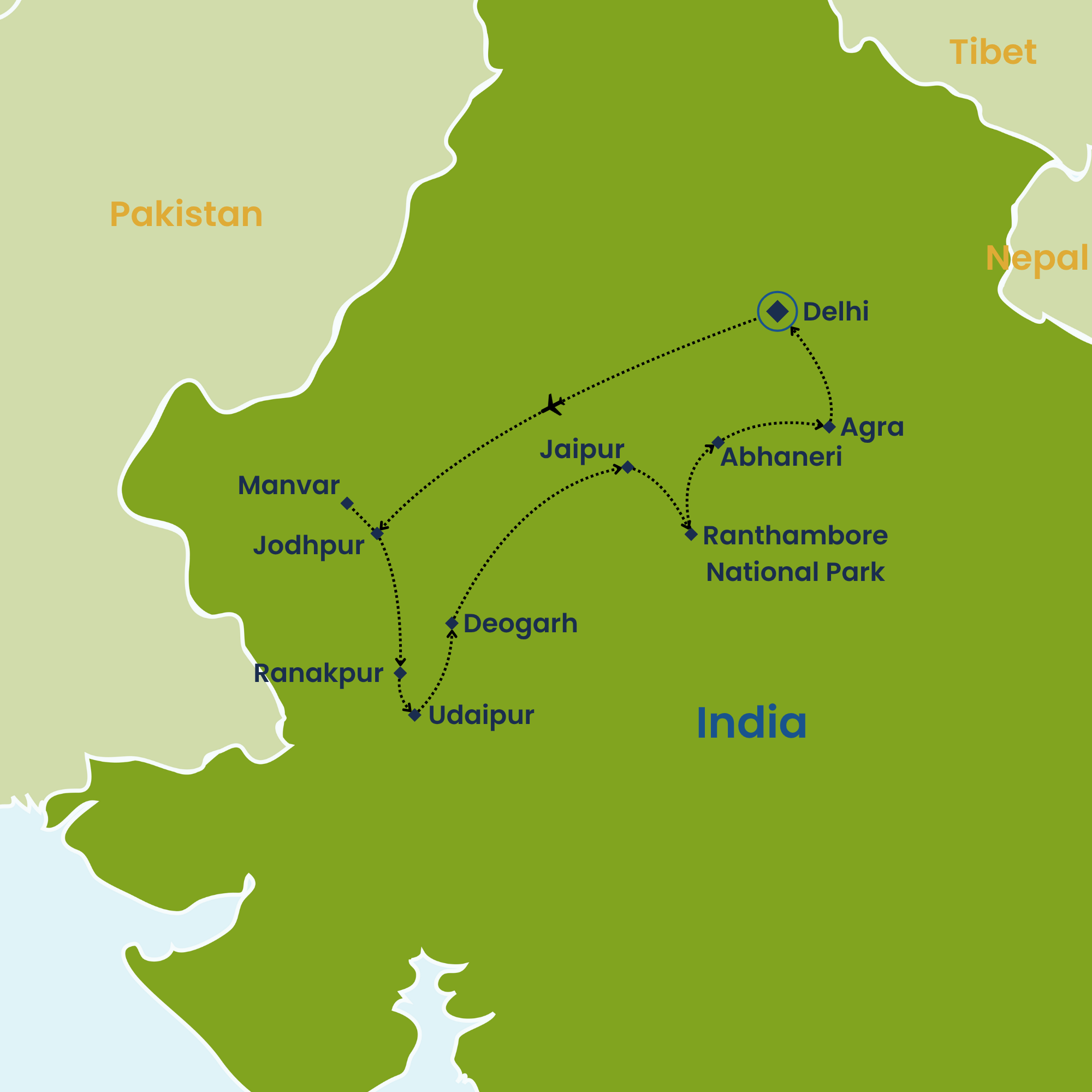
This immersive tour navigates the vibrant state of Rajasthan, beginning in the historical capital of Delhi before heading into the expansive Thar Desert retreat of Manvar. The journey continues through culturally rich cities including Jodhpur with its imposing Mehrangarh Fort, and Udaipur, renowned for its serene lakes and grand palaces. Guests explore rural villages, ancient temples, and the majestic Aravali hills, culminating in the dynamic cityscape of Jaipur and a safari adventure in Ranthambore National Park. The experience concludes with the timeless majesty of Agra’s Taj Mahal. Travel in comfortable air-conditioned vehicles combines with authentic cultural encounters, scenic drives, and exclusive access to heritage sites, creating a well-paced exploration of Rajasthan’s diverse landscapes and traditions.
Insider Experiences
- Traverse the vast Thar Desert on camelback and jeep safaris, discovering traditional desert villages and the vibrant culture of Rajasthan’s resilient communities under an expansive starry sky.
- Explore the architectural marvels of Rajasthan, featuring intricate stone carvings at the Ranakpur Jain Temple and the majestic palaces of Udaipur overlooking shimmering lakes.
- Immerse in the bustling markets and historic streets of Jodhpur and Jaipur through guided walks and vibrant rickshaw rides, revealing the vibrant rhythm of urban Rajasthan.
- Experience wildlife in its natural habitat with expertly guided jeep safaris through Ranthambore National Park, home to elusive tigers and a diverse array of flora and fauna.
Itinerary Details
Arrive in Delhi, where you will be greeted by our representative and transferred to the hotel (check-in time 1300 hrs). Delhi, a city that has served as the seat of power for several empires over the past millennium, has been destroyed and rebuilt numerous times. It is a blend of two distinct cultural legacies—Old Delhi, once the capital of Islamic India, with its maze of narrow lanes, crumbling havelis, and grand mosques; and New Delhi, a meticulously planned city created during the British Raj.
Overnight in The Suryaa / Crowne Plaza New Delhi Okhla or similar.
After breakfast, begin your Delhi sightseeing tour, starting with a visit to the Red Fort (from outside). This iconic Mughal citadel, built by Emperor Shah Jahan in 1638, is a symbol of Mughal grandeur, with impressive red sandstone walls and historical buildings inside. Next, enjoy a Rickshaw Ride through the bustling streets of Chandni Chowk, giving you a glimpse of Old Delhi’s vibrant culture. Visit the Jama Masjid, India's largest mosque, known for its magnificent architecture and vast courtyard. Continue to Raj Ghat, the memorial dedicated to Mahatma Gandhi, marking the site of his cremation. Then, visit Gurudwara Bangla Sahib, an important Sikh shrine, followed by a photo stop at the President House, the official residence of the President of India. Drive past notable government buildings, including the Parliament House and Rashtrapati Bhawan. End the tour with a visit to Humayun's Tomb, a stunning example of Mughal architecture.
Overnight in The Suryaa or similar.
After breakfast, transfer to Delhi airport for your flight to Jodhpur. Upon arrival, drive to Manvar, a desert retreat nestled in Rajasthan’s Thar Desert between Jodhpur, Jaisalmer, and Bikaner. Offering a glimpse into rural desert life, Manvar is a peaceful escape where visitors can witness traditional culture and the resilience of desert communities. After arriving at the desert camp, enjoy a camel ride through the dunes, gaining a unique perspective of the arid landscape and its folklore. Later, savor a traditional dinner under the stars at the camp.
Overnight in MANVÂR Sevan The Desert Camp or similar.
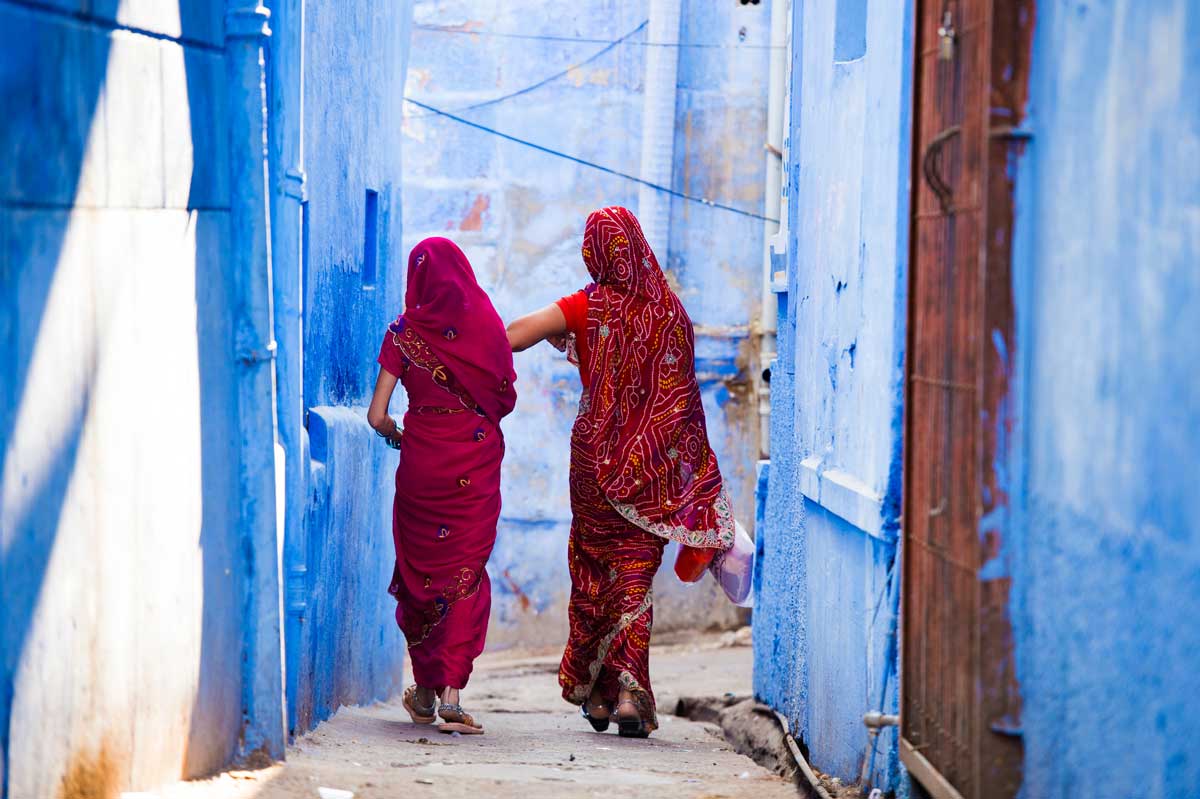
This morning, embark on an open-air jeep safari to explore traditional desert villages, learning about the tribal Bishnoi people and their rich traditions. Observe wildlife such as chinkara, Nilgai, and peafowl, while witnessing local life with camels used for agriculture and villagers in colorful attire. Visit a village house and see artisans like potters and blacksmiths at work. After lunch, drive to Jodhpur, the “Blue City,” founded in 1459 CE, known for its vibrant culture and historic monuments. On arrival, visit Mehrangarh Fort, one of India's largest forts, with its grand palaces, ornate halls, and impressive displays of royal artifacts. Later, enjoy a 2-hour walk through the old city, exploring sites like Chandpole Gate, Kunj Bihari Ji, Toorji Ka Jhalra, and the bustling Sardar Market.
Overnight in Ajit Bhawan or similar.
After breakfast, drive to Udaipur with a stop en route to visit the renowned Ranakpur Jain Temple. Built in the 15th century and considered one of Jainism’s most sacred sites, the temple is famed for its intricate architecture, featuring 29 halls and 1,444 uniquely carved pillars, each distinct in design. After exploring the temple, continue the scenic journey to Udaipur, the “City of Lakes,” founded in 1559 by Maharana Udai Singh. Nestled along Lake Pichola, Udaipur is known for its palaces, temples, havelis, and tranquil natural beauty. On arrival, transfer to the hotel.
Overnight in Fateh Niwas or similar.
After breakfast, explore the majestic City Palace overlooking Lake Pichola. Originally built by Maharana Udai Singh and expanded by his successors, the palace complex maintains architectural harmony despite centuries of additions. Entry begins at the Hathi Pol (Elephant Gate) and proceeds through the Bari Pol and Tripolia, where maharajas were once ceremonially weighed in gold and silver. Later, visit the Crystal Gallery within Fateh Prakash Palace, home to the world’s largest private crystal collection, ordered in 1877 but unveiled only in 1994. In the late afternoon, enjoy a serene boat ride on Lake Pichola, taking in views of the city’s historic monuments, palaces, and scenic surroundings.
Overnight in Fateh Niwas or similar.
After breakfast, drive to Deogarh, the former residence of the Chundawat clan's chiefs, and home to Deogarh Mahal, a 17th-century palace now converted into a heritage hotel. Located atop a hill, the palace offers stunning views of the Aravali range and surrounding lakes. Upon arrival, check-in at the hotel. In the afternoon, enjoy a walk through Deogarh village, where you can observe the daily activities of locals, including women drawing water from the well, washing clothes, and carrying water in clay pots. Visit the village market, where you can shop for local trinkets.
Overnight in Deogarh Mahal or similar.
After a leisurely breakfast, enjoy the Phulad Train Ride, a journey on a local meter-gauge train through the mountainous Ghat section. Known for its panoramic views, scrub jungle, hills, tunnels, and high bridges, this ride offers a glimpse into authentic rural life, with opportunities to interact with villagers. While traveling, you'll often spot monkeys descending from the trees. In the afternoon, embark on a Rural Ramble, a scenic drive through pastoral landscapes where locals tend to their fields and cattle. Visit a cave temple dedicated to Lord Shiva and enjoy a panoramic view of the surroundings. The drive ends at a lakeside, where you can relax and enjoy refreshments while watching migratory birds and small animals, with a beautiful sunset as the backdrop.
Overnight in Deogarh Mahal or similar.
After breakfast, drive to Jaipur, the capital of Rajasthan, known as the “Pink City” for its distinct pink-colored buildings. Upon arrival, transfer to the hotel. In the evening, enjoy a cooking demonstration with a local family, where you will learn about Indian spices and how they are used to prepare flavorful curries. Afterward, share a dinner with the family and gain insights into Indian culture and lifestyle.
Overnight in Alsisar Haveli or similar.
Today, start with a visit to the local "milk market" (Doodh Mandi) early in the morning, where traditional milk sellers in white dhoti and kurta gather to sell milk collected from nearby villages. Next, explore Jaipur, beginning with Amber Fort, a majestic blend of Hindu and Mughal architecture, accessible by jeep. Built in 1592 and declared a UNESCO World Heritage site, the fort is known for its stunning red sandstone and white marble structure, intricate carvings, and mirror work. Then, enjoy a photo stop at Hawa Mahal, a five-story palace with 953 windows designed for the royal women to observe the city. Experience a Pink Rickshaw ride through Jaipur's Old City, passing historic sites and bustling bazaars, and enjoy a cup of tea at a popular chai shop. End the day with a Bollywood movie at Raj Mandir.
Overnight in Alsisar Haveli or similar.
After breakfast, visit Jantar Mantar, an impressive collection of astronomical instruments built by Maharaja Jai Singh II between 1727 and 1734. The Jaipur observatory, the largest and best preserved of five such facilities, is a UNESCO World Heritage site, showcasing the astronomical expertise of the Mughal period. Later, drive to Ranthambore, home to one of North India’s largest national parks. Covering 392 square kilometers, the park is famous for its wildlife, including leopards, hyenas, sambars, and its pride of tigers. Upon arrival, check in at the hotel and enjoy dinner.
Overnight in Ranthambhore Kothi or similar.
Enjoy morning and afternoon jeep safaris in Ranthambore National Park, a rewarding experience for both wildlife enthusiasts and nature lovers. Surrounded by the Aravali hills, the park is home to a variety of fascinating species, including leopards, striped hyenas, chitals, chinkaras, sambars, langurs, civets, and sloth bears. However, the park is most renowned for its tigers, which roam freely in their natural habitat. After the safari, return to the hotel for dinner.
Overnight in Ranthambhore Kothi or similar.
After breakfast, drive to Agra with a stop for a countryside excursion that includes a ride on a Jugaad, or “Village Mercedes.” This unique local transport takes you through fields of wheat, mustard, coriander, and chilies to Gothdi village, where you may meet warmly dressed villagers, visit homes, and witness their daily life—an ideal moment for photos. Continue to Agra, a historic city on the banks of the Yamuna River, best known as home to the Taj Mahal, one of the Seven Wonders of the World. Once a Mughal capital, Agra is filled with architectural marvels including forts, mausoleums, and palaces that reflect the grandeur of the empire. On arrival, transfer to your hotel and enjoy a farewell dinner.
Overnight in Grand Mercure Agra or similar.
Start your day with a sunrise visit to the Taj Mahal, when the early light bathes the iconic monument in a golden glow, creating a serene atmosphere. This time offers a unique opportunity to appreciate the beauty of this symbol of eternal love with minimal crowds. Afterward, return to the hotel for breakfast before checking out. Next, visit Agra Fort, a UNESCO World Heritage Site and former Mughal imperial residence. After exploring the fort, drive to Delhi, and transfer to the airport for your onward journey.
Travel Notes
Delhi to Manvar
Approx. 330 km by road after flight / Approx. 6 to 7 hours total (flight plus road transfer) by flight + road.
Manvar to Jodhpur
Approx. 90 km / Approx. 2 to 3 hours by road.
Jodhpur to Udaipur
Approx. 260 km / Approx. 5 to 6 hours by road.
Udaipur to Deogarh
Approx. 100 km / Approx. 3 hours by road.
Deogarh to Jaipur
Approx. 265 km / Approx. 5 to 6 hours by road.
Jaipur to Ranthambore
Approx. 180 km / Approx. 3.5 to 4 hours by road.
Ranthambore to Agra
Approx. 370 km / Approx. 7 to 8 hours by road.
Agra to Delhi
Approx. 230 km / Approx. 4 to 5 hours by road.
Intercity travel within Rajasthan and northern India primarily relies on road transfers, except for the initial Delhi to Jodhpur leg which includes a domestic flight. Roads can vary from well-maintained highways to rural routes, especially when accessing desert or remote areas like Manvar and Deogarh. Travel durations are indicative and can be affected by traffic and road conditions. The region experiences hot temperatures seasonally, making early morning or late afternoon travel preferable. Basic facilities may be limited in remote desert regions, so plan transfers accordingly. Local vehicle types include jeeps and coaches, often suitable for mixed terrain.
All travel distances and times are indicative only and may vary depending on traffic, weather, routing and local conditions.
Destination Information
Delhi
Delhi presents a complex urban fabric where centuries of history coexist with the demands of a sprawling modern metropolis. Its streets reveal a blend of architectural styles, from the imposing red sandstone walls of the Red Fort Complex to the slender elegance of the Qutub Minar tower, reflecting the city’s layered past. The dense, bustling lanes of Chandni Chowk market offer a vivid glimpse into everyday life, where commerce and tradition intersect amid narrow alleys and vibrant street scenes. Beyond these historic sites, the city’s contemporary character is shaped by structures like the Lotus Temple, whose distinctive design contrasts with the older urban textures. The extensive Delhi Metro network weaves through the city, facilitating movement across diverse neighbourhoods and underscoring the scale and pace of urban life. Delhi’s atmosphere is marked by its contrasts—between old and new, sacred and secular, crowded markets and open spaces—making it a place where history remains tangible within the rhythms of daily activity. This interplay of heritage and modernity defines the city’s enduring appeal.
Jaipur
Jaipur unfolds as a city where the desert landscape of the Aravalli Hills meets a built environment shaped by centuries of royal ambition and craftsmanship. Its streets are lined with buildings in warm pink sandstone, reflecting the city’s historic role as a seat of power and culture in Rajasthan. The urban fabric blends grand palaces and forts with bustling markets where artisans continue traditional crafts, creating a tangible link between past and present. The Amber Fort, perched on rugged hills, exemplifies the blend of military architecture and ornamental design that defines much of Jaipur’s heritage. Nearby, the City Palace Complex offers insight into royal life through its courtyards and museums, while the Jantar Mantar Observatory reveals the scientific pursuits of the region’s rulers. Beyond the city limits, the surrounding Aravalli Hills provide a natural backdrop that contrasts with the dense urban core, inviting exploration of both landscape and local life. Jaipur’s atmosphere combines the energy of a living city with the presence of its architectural and historical landmarks, making it a place where history and everyday activity coexist.
Jodhpur
Jodhpur rises from the arid plains of the Marwar region, its sandstone buildings casting a warm ochre glow under the desert sun. The city’s compact layout is defined by narrow streets and bustling markets, where traditional crafts and spices fill the air with texture and colour. Dominating the skyline, a massive fortification carved into the rocky hilltop overlooks the urban fabric below, its imposing walls and intricate architecture reflecting centuries of regional power and resilience. Within the city, grand palaces built from the same sunbaked stone blend with everyday life, illustrating a continuity between royal heritage and contemporary rhythms. Surrounding the urban core, rugged desert terrain and carefully restored natural parks provide a striking contrast to the dense cityscape, revealing the relationship between human settlement and the harsh environment. Jodhpur’s atmosphere balances the weight of history with the vibrancy of daily commerce, offering a tangible sense of place shaped by its desert setting, architectural materials, and enduring cultural traditions.
Manvar
Manvar is a settlement defined by its expansive desert environment and the enduring presence of its historic fort, which anchors the village both visually and culturally. The settlement’s low-rise buildings, constructed from local materials, blend into the sandy landscape, reflecting traditional rural architecture adapted to the arid climate. Life here unfolds at a measured pace, with daily activities centered around agriculture, crafts, and community interaction. The fort, a prominent stone structure, offers insight into the area’s historical significance and defensive needs, while the surrounding desert terrain shapes much of the local lifestyle and economy. Artisans in Manvar maintain age-old handicraft traditions, producing textiles and goods that embody regional techniques and aesthetics. The village’s layout and social fabric reveal a close connection between its historical landmarks and the rhythms of everyday life, where open spaces and narrow streets accommodate both communal gatherings and individual livelihoods. This combination of historical architecture, desert setting, and living traditions distinguishes Manvar within its broader regional context.
Udaipur
Udaipur is defined by its intricate relationship with water, nestled among the Aravalli Hills with a network of lakes that shape its urban fabric and atmosphere. The city’s layout unfolds around Lake Pichola, whose placid waters reflect a blend of historic palaces and temples, creating a distinctive interplay between built heritage and natural setting. The City Palace Complex rises along the lake’s edge, its layered architecture revealing centuries of royal craftsmanship and offering a tangible link to the region’s past. Beyond the palace, narrow streets and traditional neighbourhoods maintain a slower pace, where local life continues amid historic structures. Gardens such as Saheliyon Ki Bari provide serene green spaces that contrast with the denser urban core, while haveli residences like Bagore Ki Haveli illustrate the domestic scale and artistry of Udaipur’s heritage. Positioned within Rajasthan’s broader landscape, Udaipur stands apart through its water-centric environment and the integration of royal and vernacular architecture, offering a setting where history, nature, and everyday activity coexist in a distinctive balance.
Deogarh
Deogarh is a town set amid the forested hills of Madhya Pradesh, where the landscape blends natural greenery with historical architecture. The area’s defining feature is its imposing fort, which rises above the surrounding terrain and offers a tangible link to the region’s past. Within the town and its outskirts, ancient temples provide insight into local religious traditions and craftsmanship, their stone structures reflecting centuries of cultural continuity. The streets and markets reveal a quieter pace of life, where artisans maintain traditional handicrafts that echo the region’s heritage. The natural surroundings, with their mix of woodland and rocky outcrops, create a setting that contrasts with the built environment, inviting exploration beyond the historic core. Deogarh’s combination of rugged terrain, enduring monuments, and everyday local activity presents a distinctive environment where history and nature coexist, offering visitors a chance to engage with both the physical landscape and the cultural layers embedded in this part of Madhya Pradesh.
Ranthambore
Ranthambore is a landscape where dense dry deciduous forest meets rugged rocky outcrops, creating a distinctive environment in northern India’s semi-arid region. The area is marked by a mix of open grasslands and thick vegetation that supports a diverse range of wildlife, most notably Bengal tigers, which draw visitors seeking close encounters with India’s natural heritage. The imposing Ranthambore Fort rises from the forested hills, its sandstone walls and ancient structures reflecting centuries of history amid the wilderness. Local tribal communities maintain traditional ways of life here, contributing to the region’s cultural fabric and offering insight into rural livelihoods shaped by the surrounding environment. Seasonal shifts bring marked changes to the landscape, with monsoon rains transforming the terrain and influencing animal movements, which in turn shape the rhythms of safari tours. The combination of natural habitats, historical architecture, and living traditions creates a setting where the interaction between wildlife, heritage, and local life defines the experience of Ranthambore beyond its individual landmarks.
Agra
Agra presents a distinctive blend of historical grandeur and everyday urban life along the banks of the Yamuna River. The city’s landscape is marked by expansive Mughal-era structures crafted from red sandstone and white marble, reflecting centuries of imperial ambition and architectural innovation. Streets near the river reveal a mix of bustling markets where local artisans produce intricate handicrafts, offering a glimpse into traditional craftsmanship that persists amid the city’s evolving pace. The imposing Agra Fort, with its layered walls and courtyards, stands as a testament to the city’s strategic and cultural importance during the Mughal period. Nearby, the Taj Mahal’s marble silhouette rises with refined symmetry, drawing attention to Agra’s role as a centre of monumental design and artistic achievement. This combination of monumental architecture, riverfront setting, and active local communities creates an environment where history is tangible, and the city’s heritage remains integrated with contemporary life. Agra’s character emerges from this dialogue between its monumental past and the rhythms of its present-day streets.
Ranakpur
Ranakpur is a tranquil settlement nestled within the rugged terrain of the Aravalli Mountain Range, offering a distinctive blend of natural and architectural interest. The village is marked by its intricate marble structures, most notably a sprawling Jain temple complex that exemplifies detailed craftsmanship and religious artistry. This temple’s delicate stonework and geometric precision contrast with the surrounding hills, where sparse vegetation and rocky outcrops shape the landscape. The area’s historical layers are evident not only in its religious monuments but also in the continuity of local crafts, where artisans maintain traditional techniques in textiles and metalwork. Beyond the built environment, the nearby wildlife sanctuary introduces a quieter, more natural dimension to the region, supporting a variety of native species and lending a sense of ecological balance. The pace of life in Ranakpur reflects a measured calm, with daily activities centered around community, worship, and artisanal production, creating a setting where history, nature, and cultural practice coexist in a distinctive regional context.
Hotel Information
Accommodation throughout this journey is carefully selected to complement the overall travel experience and typically consists of comfortable 3 to 4-star hotels, resorts, lodges, or boutique properties, depending on the destination, routing, and local infrastructure.
All properties are chosen with care based on location, comfort, service standards, atmosphere, and suitability for the itinerary. Exact hotel names may vary depending on departure date, seasonality, group size, and availability at the time of booking.
Final hotel details will be provided with the confirmed travel documentation. In some cases, accommodations may be replaced by properties of a similar standard should operational reasons or availability require a change.
For specific accommodation requests or further questions regarding the hotels used on this journey, please contact our reservations team at reservation@kavaya.travel.
Inclusions & Exclusions
Included
Not Included
| Date | Start Date | End Date | TWN/DBL Share | SGL Room |
|---|---|---|---|---|
| 25/10/2026 | Sunday, 25 October 2026 | Saturday, 07 November 2026 | 2868 | 4006 |
| 22/11/2026 | Sunday, 22 November 2026 | Saturday, 05 December 2026 | 2868 | 4006 |
| 06/12/2026 | Sunday, 06 December 2026 | Saturday, 19 December 2026 | 2868 | 4006 |
| 31/01/2027 | Sunday, 31 January 2027 | Saturday, 13 February 2027 | 2868 | 4006 |
| 14/02/2027 | Sunday, 14 February 2027 | Saturday, 27 February 2027 | 2868 | 4006 |
| 28/02/2027 | Sunday, 28 February 2027 | Saturday, 13 March 2027 | 2868 | 4006 |
| 14/03/2027 | Sunday, 14 March 2027 | Saturday, 27 March 2027 | 2868 | 4006 |
| 28/03/2027 | Sunday, 28 March 2027 | Saturday, 10 April 2027 | 2868 | 4006 |
| 17/01/2027 | Sunday, 17 January 2027 | Saturday, 30 January 2027 | 2868 | 4006 |
| 11/10/2026 | Sunday, 11 October 2026 | Saturday, 24 October 2026 | 2868 | 4006 |
No widgets added. You can disable footer widget area in theme options - footer options