Destination Information
Hanoi
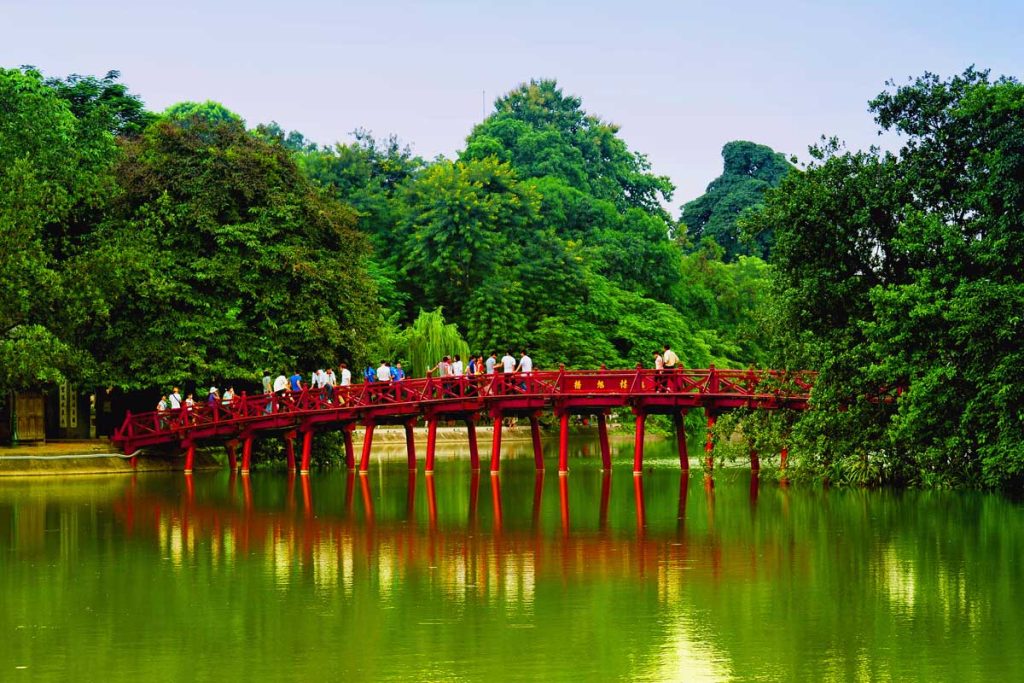
Hanoi presents a distinctive blend of historical depth and urban vitality set along the banks of the Red River in northern Vietnam. The city’s compact core features narrow streets lined with low-rise buildings that reflect centuries of architectural influence, from traditional Vietnamese to French colonial styles. At its heart, a tranquil lake punctuates the dense urban fabric, offering a quiet contrast to the surrounding bustle. Hanoi’s streets bustle with a mix of motorbikes, street vendors, and local commerce, creating a textured everyday scene that reveals the city’s ongoing evolution. Cultural landmarks are woven into the urban landscape, with a temple dedicated to Confucian learning standing amid busy neighborhoods, and a solemn mausoleum commemorating a key figure in Vietnam’s modern history. The city’s location within the fertile Red River Delta shapes its character, linking it to a wider agricultural region while maintaining a distinctly urban pace. This combination of water, history, and active street life defines Hanoi as a place where tradition and contemporary life coexist visibly and tangibly.
Saigon
Saigon presents a dense urban fabric where colonial-era architecture and modern developments coexist along the banks of the Saigon River. The city’s streets pulse with a mix of motorbikes, street vendors, and markets, reflecting its role as a commercial and cultural center in southern Vietnam. Its layered past is visible in landmarks such as the Notre-Dame Cathedral Basilica, built with red bricks imported from France, which contrasts with the nearby War Remnants Museum that documents the impact of conflict on the region. The bustling Ben Thanh Market offers a window into everyday life, with stalls selling local produce, textiles, and street food amid a lively atmosphere. Beyond the city’s core, the Cu Chi Tunnels extend the historical narrative into the surrounding countryside, revealing the intricate underground network used during wartime. Saigon’s combination of waterways, historic sites, and vibrant street scenes creates a setting that captures both the resilience and complexity of Vietnam’s urban experience.
Hoi An
Hoi An is a compact town set along the gentle curves of the Thu Bon River in Vietnam’s central coastal region, where narrow streets and low-rise buildings create an intimate urban fabric shaped by centuries of trade and cultural exchange. Its architecture reflects a blend of local and foreign influences, with wooden shop houses and tiled roofs lining quiet lanes that invite slow exploration. The town’s scale and layout encourage a pedestrian pace, fostering a close connection between everyday life and the preserved historic environment. Traditional crafts remain part of daily activity, visible in workshops where artisans shape lanterns that light the streets after dusk, adding a warm, tangible element to the town’s atmosphere. The Japanese Covered Bridge, a distinctive structure linking parts of the old quarter, exemplifies the layering of cultural influences and the integration of functional design with aesthetic detail. Beyond the built environment, the nearby river and coastal landscape contribute to Hoi An’s character, grounding it in a region known for its fertile plains and maritime heritage. This combination of architectural heritage, artisanal practice, and natural setting defines Hoi An’s appeal as a place where history and local life coexist closely.
Danang
Danang is a coastal city where urban development meets natural landscapes, offering a distinctive blend of modernity and tradition along Vietnam’s central coastline. Its broad sandy shores, exemplified by My Khe Beach, provide a relaxed environment that contrasts with the city’s growing skyline and bustling streets. The nearby Marble Mountains rise sharply from the flat coastal plain, their limestone peaks dotted with caves and pagodas that reflect centuries of spiritual and cultural activity. The Han River flows through the city, with the Han River Bridge serving as a functional and visual landmark that connects different parts of Danang while illuminating the cityscape after dark. The Cham Museum houses an extensive collection of sculptures and artifacts from the ancient Champa civilization, anchoring Danang’s historical significance amid its contemporary urban fabric. The city’s layout balances waterways, open spaces, and dense residential areas, creating a setting where everyday life unfolds alongside historical sites and natural features. Danang’s atmosphere is defined by this coexistence of coastal leisure, cultural heritage, and ongoing urban growth, making it a place where visitors can engage with both Vietnam’s past and present.
Hue
Hue occupies a distinctive place in Vietnam’s central region, where the slow flow of the Perfume River shapes both the city’s layout and its atmosphere. The city’s compact scale and calm streets contrast with the busier urban centres elsewhere in the country, offering a quieter environment shaped by centuries of imperial rule. Hue’s defining feature is its extensive complex of historic sites, including the Imperial City, which reveals the architectural and cultural imprint of the Nguyen dynasty. Surrounding this core are the royal tombs scattered along the riverbanks, blending natural landscapes with intricate stonework and gardens. Religious structures such as Thien Mu Pagoda add to the city’s layered heritage, standing amid green spaces beside the water. Beyond its monuments, Hue’s everyday life reflects traditional Vietnamese culture, especially through local markets and street food that highlight regional culinary specialties. The city’s combination of historical depth, riverside setting, and measured pace creates an environment where visitors can engage with Vietnam’s past while observing the rhythms of contemporary local life.
Ben Tre
Ben Tre is a province defined by its intricate network of waterways that weave through a landscape dominated by lush coconut groves and fertile agricultural fields. The area’s low-lying terrain is shaped by the Mekong River’s distributaries, creating a patchwork of canals and small islands where daily life unfolds along the water’s edge. This environment supports a distinctive rural economy centered on coconut cultivation, which influences both local industry and cuisine. Traditional handicrafts, often crafted from coconut shells and other natural materials, reflect the community’s connection to its natural surroundings and artisanal heritage. Scattered throughout Ben Tre are historical sites that offer insight into the region’s past, blending with the rhythms of contemporary village life. The province’s atmosphere is marked by a quiet, measured pace, where the interplay of water, agriculture, and craftsmanship creates a setting that is both productive and serene. Visitors encounter a landscape where natural features and human activity coexist closely, providing a tangible sense of place rooted in the Mekong Delta’s unique environment.
Halong Bay
Halong Bay presents a striking seascape where towering limestone karst formations rise sharply from emerald waters, creating a rugged and sculptural horizon unique within the region. This coastal area extends across a vast expanse of sea dotted with thousands of islands and islets, many cloaked in dense vegetation, offering a complex natural environment shaped by millennia of geological activity. The bay’s calm waters are home to diverse marine ecosystems, supporting a range of fish and coral species that sustain local fishing communities. These communities maintain traditional ways of life, including floating villages where houses and markets rest on wooden platforms, blending human activity seamlessly with the aquatic landscape. The area’s cultural fabric is enriched by local legends and historical narratives tied to the karsts and the sea, reflecting a deep connection between people and place. Recognized for its geological and ecological value, this UNESCO World Heritage Site combines natural grandeur with ongoing human presence, creating a living environment where nature and culture coexist visibly and continuously.
Mekong Delta
The Mekong Delta unfolds as a vast, intricate landscape where waterways carve through fertile plains, shaping both the environment and the livelihoods of its inhabitants. This region is distinguished by its extensive network of rivers and canals, which sustain a rich agricultural system dominated by rice cultivation. The slow-moving waters foster diverse wetlands that support a variety of plant and animal species, creating a distinctive ecosystem within the tropical climate. Along these waterways, communities engage in traditional practices such as floating markets, where commerce and daily life merge on boats laden with local produce and goods. The built environment reflects practical adaptation to the waterborne setting, with stilted houses and open-air workshops producing handicrafts rooted in local materials and techniques. The interplay between natural abundance and human activity defines the Delta’s character, offering insight into a way of life closely tied to the rhythms of the river and the land. This combination of ecological richness and cultural tradition makes the Mekong Delta a place where the landscape and its people are inseparable.
Lang Co
Lang Co is a coastal area defined by its blend of natural landscapes and traditional livelihoods, where the meeting of sea and lagoon shapes both the environment and local life. The long stretch of sandy beach offers a quiet shoreline framed by gentle waves, while the adjacent lagoon provides a calm, reflective waterway that supports small-scale fishing communities. These villages maintain a close relationship with the water, their daily routines visible in the boats and nets that dot the horizon. The surrounding hills rise steeply nearby, offering views toward the winding mountain pass that cuts through the terrain, adding a rugged contrast to the softer coastal features. The area’s proximity to historic and urban centers allows for a mix of rural tranquility and access to cultural sites, but Lang Co itself remains a place where the rhythms of fishing and coastal living persist with a measured pace. The combination of natural elements and enduring local practices creates a distinctive setting that invites observation of both landscape and lifestyle.
Hanoi Noi Bai International Airport (HAN)
Noi Bai International Airport occupies a distinctive position on the northern outskirts of Hanoi, where the flat expanses of the Red River Delta meet the outskirts of Vietnam’s capital region. The airport’s modern terminal buildings reflect contemporary architectural design, with spacious interiors that accommodate both international travellers and cargo operations efficiently. Beyond its functional role, the airport’s surroundings reveal a mix of industrial zones and agricultural land, highlighting the transition from urban to rural landscapes. The proximity to Hanoi allows visitors to experience the contrast between the airport’s streamlined infrastructure and the bustling city life nearby, where historic streets and traditional markets unfold. The airport’s extensive cargo and logistics facilities underscore its importance in regional trade, while the well-developed transport links, including expressways and shuttle services, integrate it seamlessly with the wider metropolitan area. This blend of modern aviation technology, practical design, and its setting within a rapidly developing region offers insight into Vietnam’s expanding economic landscape and the everyday flow of people and goods in northern Vietnam.
My Son
My Son is a cluster of ancient Hindu temple ruins set within a lush valley framed by dense forests and rolling hills in central Vietnam. This site offers a distinctive glimpse into the Champa civilization, whose architectural style is marked by red brick structures intricately carved with religious motifs. The temples, partially restored through ongoing archaeological work, reveal layers of history embedded in their weathered stones and the surrounding landscape. The quiet atmosphere contrasts with the vibrant life of nearby rural communities, where traditional farming and local customs continue alongside the preservation of this heritage. The sanctuary’s integration with its natural environment—rivers, mountains, and tropical vegetation—creates a setting that is both contemplative and tangible, inviting visitors to explore the relationship between ancient craftsmanship and the region’s geography. Recognized as a UNESCO World Heritage Site, My Son stands out within Vietnam for its concentration of Champa architecture and the insight it provides into a civilization that once flourished here, making it a place of both historical importance and serene beauty.
Thuy Bieu
Thuy Bieu is a rural village set amid the lush agricultural landscape near Hue, where waterways and small canals thread through fruit gardens and traditional homes. The village’s layout reflects a quiet, low-density settlement where local life unfolds at a measured pace, shaped by farming and artisanal crafts. Wooden stilt houses and simple structures built from natural materials line narrow lanes, offering a tangible sense of place rooted in longstanding rural practices. The surrounding orchards, cultivated with a variety of tropical fruits, not only define the local economy but also contribute to the village’s verdant, open character. Within this environment, residents maintain traditional handicraft techniques, producing items that reflect both cultural heritage and everyday utility. The proximity to Hue allows for a contrast between the city’s historical architecture and the village’s agrarian setting, highlighting Thuy Bieu’s role as a living example of Vietnam’s countryside lifestyle. Time here is marked by seasonal cycles and community rhythms, providing insight into a way of life closely connected to the land and artisanal tradition.
Cu Chi
Cu Chi is a district marked by its dense network of underground tunnels and rural landscapes that reveal a distinct chapter of Vietnam’s history and daily life. The area’s terrain is a mix of flat farmland and small villages, where narrow paths wind through rice paddies and traditional wooden homes, offering a quiet contrast to urban centers. The extensive tunnel system beneath the surface illustrates the ingenuity and resilience of local communities during wartime, while nearby museums provide detailed accounts of the conflict’s impact on the region. Beyond its historical significance, Cu Chi maintains a strong connection to traditional crafts, with workshops where artisans continue age-old techniques. Its proximity to the Mekong Delta enriches the environment with waterways and fertile land, shaping local livelihoods and the pace of life. This blend of historical depth, rural simplicity, and artisanal activity creates a setting where visitors can engage with both the tangible remnants of the past and the ongoing rhythms of village life.
Hotel Information
Located in the heart of Ho Chi Minh City’s District 1, Northern Charm Hotel is a 4-star property featuring 125 rooms ranging from 25 to 50 square meters. Its design blends modern Asian-European architecture with a focus on contemporary comfort, creating a spacious and sophisticated environment suitable for leisure and business travelers. Rooms include amenities such as central air conditioning, WiFi, flat-screen TVs, and private bathrooms with bath or shower facilities.
The hotel offers panoramic city views from its 16th-floor Panorama restaurant, rooftop bar, and pool, providing guests with a distinctive urban experience. The lobby area includes The Twelve Coffee, a bright, open space ideal for casual dining or informal meetings. Additional facilities include a fitness center, meeting rooms with modern technology, 24/7 reception, and direct access to a shopping mall and nearby amusement park via the hotel’s car park elevators, enhancing convenience for families and tourists.
Northern Charm Hotel appeals to travelers seeking centrally located accommodation with contemporary design and practical amenities, combining comfort with accessibility to Ho Chi Minh City’s attractions and business districts. Its rooftop pool and diverse dining options offer added value, making it a versatile choice for business travelers, families, and tourists alike.
Moonlight Hotel Hue is a four-star property situated in the heart of Hue City, just a short walk from the Huong River. Its central location provides convenient access to the city’s key historical and cultural sites, making it well suited for travellers keen to explore Hue’s rich heritage. Opened in 2013, the hotel presents a modern setting with a range of room categories, including superior, city view, and river view options, accommodating diverse guest preferences.
The hotel features the Moonshine Spa, offering an extensive variety of massage therapies and body treatments designed to provide thorough relaxation. Additional amenities include a fitness center, swimming pool, beauty salon, and children’s club, supporting both leisure and family travellers. Dining options include the Venus Restaurant and a VIP dining room, addressing different culinary needs.
Moonlight Hotel Hue appeals to guests seeking a centrally located, contemporary base from which to discover Hue’s attractions. The combination of its accessible city-centre setting and comprehensive leisure facilities makes it suitable for cultural visitors and families alike, providing practical comfort amid the historical atmosphere of the city.