
Nara Temples and Ancient Capitals
Tour Code: TOP002404
Kyoto presents a distinctive blend of historical depth and natural beauty, nestled within a basin surrounded by forested hills in Japan’s Kansai region. The city’s layout reflects its ancient role as an imperial capital, with carefully preserved wooden structures and tranquil gardens interspersed among narrow streets and waterways. Kyoto’s atmosphere balances quiet reverence with everyday urban life, where traditional wooden machiya townhouses stand alongside modern shops and cafes. Visitors encounter a city where centuries-old temples and palaces coexist with neighbourhoods that maintain a slower, more contemplative pace compared to Japan’s larger metropolitan centres. The reflective waters and gold-leaf exterior of Kinkaku-ji Temple exemplify the city’s architectural elegance, while the winding lanes of the Gion district reveal a living connection to cultural practices such as geisha traditions and tea ceremonies. The Arashiyama Bamboo Grove offers a striking natural contrast to the city’s built environment, providing a serene setting that complements Kyoto’s emphasis on harmony between nature and human craftsmanship. The Kyoto Imperial Palace further anchors the city’s historical significance, embodying its enduring role in Japan’s cultural heritage.
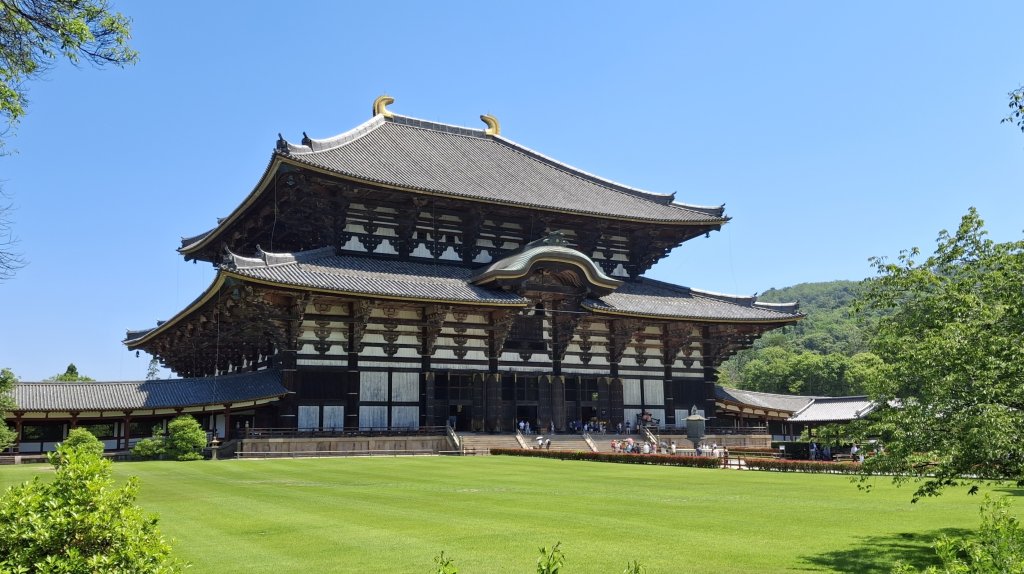
Nara presents a distinctive blend of historical depth and natural openness within Japan’s Kansai region, where ancient temples and shrines coexist with expansive parkland and quiet residential streets. The city’s layout integrates broad green spaces, most notably a park where deer roam freely, reflecting a longstanding cultural relationship between nature and spirituality. Architectural elements crafted from wood and stone reveal Nara’s early role as a center of Japanese Buddhism, with large-scale temple complexes set amid tranquil gardens and shaded paths. Narrow lanes in the old merchant district preserve a sense of everyday life from centuries past, offering a contrast to the grand religious sites. Museums housed in traditional buildings display artifacts that connect visitors to the city’s formative periods. The atmosphere is calm and measured, inviting reflection amid a setting where historical structures and living traditions remain part of the urban fabric. This combination of open landscapes, religious heritage, and preserved neighborhoods defines Nara’s appeal as a place where history is tangible and integrated into daily rhythms.
| Validity Period | Guide | 2 pax to 3 pax | 4 pax to 5 pax | 6 pax to 7 pax | 8 pax to 9 pax | 10 pax plus |
| 03/06/2026 - 31/12/2027 | 553 | 285 | 193 | 151 | 168 |