Destination Information
Jakarta
Jakarta presents a sprawling urban landscape where Indonesia’s complex history and rapid modern development coexist. The city’s dense streets and varied architecture reveal layers of colonial heritage alongside contemporary high-rises, reflecting its role as the nation’s political and economic centre. At the heart of Jakarta, the towering National Monument rises from a wide plaza, symbolizing the country’s independence and offering a visual anchor amid the city’s scale. Nearby, the historic district of Kota Tua preserves Dutch colonial buildings and cobblestone streets, providing a tangible link to the city’s past. Along the northern coastline, mangrove forests extend into Jakarta Bay, offering a rare natural environment within the urban expanse and highlighting ongoing efforts to balance development with ecological preservation. The presence of traditional Betawi culture remains evident in local markets, festivals, and culinary offerings, adding a distinct cultural layer to everyday life. The Jakarta International Business District contrasts with these elements through its concentration of modern office towers, underscoring the city’s role as a centre for commerce and finance within Indonesia. Together, these features shape a city defined by its diversity, scale, and continuous transformation.
Bromo
Bromo is a distinctive highland area defined by its vast volcanic landscape and the enduring presence of local Tenggerese communities. The terrain is dominated by expansive volcanic plains, where the Sea of Sand—a wide expanse of fine volcanic ash—stretches beneath the towering caldera walls. This stark environment contrasts with the surrounding rugged peaks, including the active Mount Bromo, whose smoking crater punctuates the horizon. The nearby Semeru volcano, the highest peak in the region, adds to the dramatic natural setting. Beyond its geological features, Bromo is shaped by the Tenggerese people, whose traditional practices and rituals remain integral to daily life, reflecting a deep connection to the land and its volcanic forces. The national park encompassing this area preserves both the unique ecosystem and cultural heritage, offering a landscape where natural phenomena and human presence coexist. The atmosphere here is quiet and elemental, marked by open skies, shifting sands, and the steady rhythm of local customs that continue amid the volcanic terrain.
Yogyakarta
Yogyakarta is a city where cultural heritage and everyday life intertwine amid a setting of volcanic plains and lush tropical greenery. Its compact urban fabric blends traditional Javanese architecture with colonial influences, creating a distinctive streetscape that supports a lively mix of markets, workshops, and royal palaces. The city’s atmosphere is shaped by the presence of the Kraton, a royal palace complex that remains a center of Javanese culture and ceremony, while nearby streets bustle with vendors selling batik textiles and local crafts. Beyond the urban core, the silhouette of Mount Merapi rises sharply, a constant natural presence that influences both the landscape and local livelihoods. The surrounding region holds one of the largest Buddhist monuments in the world, the Borobudur Temple Complex, which reflects the area’s deep historical layers and religious traditions. Yogyakarta’s streets, markets, and artisan workshops offer insight into the rhythms of daily life, where traditional practices continue alongside modern activity, providing a tangible connection to the city’s cultural roots and its evolving identity.
Bali
Bali presents a diverse landscape where coastal cliffs meet lush inland valleys, offering a distinct blend of natural beauty and cultural depth within Indonesia. The island’s terrain varies from terraced rice fields sculpted into hillsides to the imposing silhouette of Mount Agung, an active volcano that shapes both the environment and local spiritual practices. Along the southern coast, the Uluwatu Temple perches dramatically on a limestone promontory, its traditional architecture and ocean views reflecting Bali’s enduring religious heritage. Cultural expression remains integral to daily life, with traditional Balinese dance performances illustrating stories passed through generations. In contrast, areas like Seminyak reveal a more contemporary side of Bali, where a concentrated business district reflects the island’s evolving economic landscape amid its natural surroundings. The combination of rural landscapes, volcanic landmarks, and pockets of urban development creates a multifaceted atmosphere where visitors can engage with both the island’s longstanding traditions and its modern rhythms. This interplay between environment, culture, and commerce defines Bali’s unique character as a place of ongoing cultural vitality and striking physical presence.
Lombok
Lombok presents a diverse landscape where volcanic peaks rise sharply above fertile plains and coastal stretches, creating a setting that balances natural intensity with rural calm. The island’s character is shaped by its agricultural fields, where traditional farming practices continue amid rice paddies and spice gardens, reflecting a way of life closely tied to the land. Small villages inhabited by the Sasak people offer insight into local customs and architecture, with simple homes and communal spaces that reveal the rhythms of daily life. The dramatic presence of Mount Rinjani National Park dominates the interior, its rugged terrain and crater lake drawing attention to the island’s volcanic origins and outdoor opportunities. Along the southern coast, beaches such as Tanjung Aan provide open sandy expanses framed by clear waters, contrasting with the quieter, more intimate atmosphere of nearby islands. This combination of active landscapes, cultural continuity, and coastal environments defines Lombok as a place where natural forces and human traditions coexist in a distinct and tangible way.
Ubud
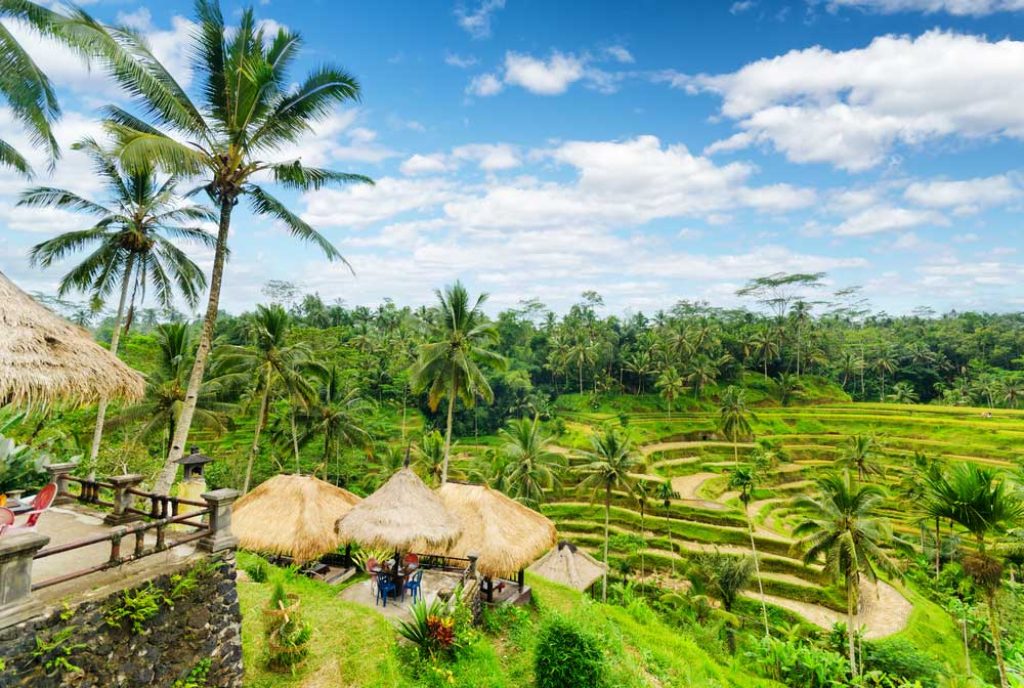
Ubud is a town set amid the lush, undulating landscape of central Bali, where dense tropical forests and terraced rice paddies shape the surrounding environment. Its compact streets reveal a blend of traditional Balinese architecture and artisan workshops, reflecting a community deeply engaged with its cultural heritage. The presence of sacred sites, such as intricately carved temples with lotus ponds, integrates spiritual practice into daily life, while markets offer a glimpse into local crafts and produce. The nearby rice terraces exemplify the region’s agricultural rhythms, carved into the hillsides in patterns that have sustained generations. Wildlife, including the long-tailed macaques inhabiting the forested sanctuary, adds a natural dimension to the town’s atmosphere. Ubud’s scale and pace encourage exploration on foot, where visitors encounter a balance of artistic expression, religious tradition, and rural landscape, creating a setting that is both serene and culturally rich. This combination of natural beauty, cultural depth, and everyday activity distinguishes Ubud within Bali’s diverse island environment.
Pemuteran
Pemuteran is a coastal village set along the northwestern shore of Bali, distinguished by its quiet, low-key atmosphere and close relationship with the surrounding marine environment. The village’s modest scale and traditional Balinese architecture blend with the natural landscape, where fishing boats and small homes line the shoreline. The nearby coral reefs, part of a broader effort in marine conservation, offer a vivid underwater world that contrasts with the calm village life. Innovative coral restoration projects use local techniques to rebuild damaged reefs, reflecting the community’s commitment to preserving its marine resources. Beyond the water, the proximity of West Bali National Park introduces a patch of protected rainforest and wildlife, adding a layer of biodiversity to the area. Daily life in Pemuteran unfolds with a steady rhythm, shaped by fishing, small-scale agriculture, and cultural traditions that remain visible in village ceremonies and crafts. This blend of natural beauty, conservation efforts, and enduring local customs defines Pemuteran as a place where environmental stewardship and traditional living coexist.
Tanjung
Tanjung is a coastal town distinguished by its close relationship with the sea and surrounding natural landscapes. Its shoreline features Tanjung Beach, where sandy stretches meet calm waters, creating a setting that reflects the town’s maritime heritage. The local fishing industry remains integral to daily life, with boats and nets regularly seen along the waterfront, underscoring the community’s ongoing connection to traditional livelihoods. Beyond the shore, dense mangrove forests extend inland, offering a glimpse into the region’s ecological diversity and providing a natural buffer against coastal erosion. The Tanjung Cultural Center presents an opportunity to explore the area’s customs and history, housed in architecture that blends local materials with functional design. The town’s layout combines modest residential areas with active markets and working docks, maintaining a measured pace that contrasts with larger urban centers nearby. This balance of natural environment, cultural presence, and everyday activity defines Tanjung as a place where the rhythms of coastal life and regional heritage are visible and tangible.
Lake Tamblingan
Lake Tamblingan is a tranquil volcanic crater lake nestled within a dense tropical rainforest, offering a distinct contrast to Bali’s coastal and urban areas. The surrounding landscape is marked by steep forested slopes and scattered traditional Balinese villages where local customs and agriculture continue with minimal alteration from modern tourism. The lake’s calm waters reflect the ancient temples that dot its shores, providing a tangible link to the region’s spiritual heritage and longstanding cultural practices. Narrow trails weave through the rainforest, inviting exploration on foot and revealing a rich variety of native flora and fauna. This setting creates an atmosphere of quiet reflection and immersion in nature, away from the island’s more developed zones. The combination of natural beauty, historical architecture, and rural village life defines Lake Tamblingan as a place where visitors can engage with both the environment and the enduring traditions of Bali’s interior.
Lake Buyan
Lake Buyan is a tranquil freshwater lake set within a dense tropical rainforest, offering a distinctive blend of natural and cultural elements uncommon in the surrounding region. Its calm waters mirror the lush greenery that envelops the area, creating a serene environment where traditional Balinese villages maintain a close relationship with the land and water. The local communities continue to practice age-old customs, their wooden homes and temples integrating seamlessly with the forested landscape. Beyond its natural beauty, the lake supports a small-scale hydroelectric power plant, illustrating a practical balance between environmental preservation and modern utility. Visitors can engage with the landscape through various recreational activities on and around the lake, from boating to hiking, which reveal the rich biodiversity of the rainforest ecosystem. The overall atmosphere is one of quiet coexistence between human settlement and nature, where everyday life unfolds against a backdrop of verdant hills and reflective waters, offering a contemplative experience distinct from more urbanized or heavily touristed areas.
Mount Agung
Mount Agung is a striking presence in eastern Bali, dominating the surrounding landscape with its towering volcanic peak and rugged terrain. The area around the volcano offers a blend of natural and cultural experiences shaped by its dramatic topography and deep spiritual significance. Villages nestled on the lower slopes maintain traditional Balinese ways of life, where daily activities unfold alongside rituals connected to the land and mountain. The volcanic soil supports lush vegetation, while hiking trails provide access to panoramic views and the opportunity to explore the varied terrain. Among the cultural landmarks, Pura Besakih stands out as a complex of temples that integrate religious practice with the natural environment, reflecting the mountain’s role in local belief systems. The region’s volcanic landscape, marked by lava fields and fertile plains, contrasts with the intricate stone architecture and vibrant ceremonies found in the temples and villages. This combination of powerful natural features and enduring cultural traditions defines Mount Agung as a place where the environment and human presence are closely intertwined.
West Bali National Park
West Bali National Park occupies a distinctive position along Bali’s northwestern coast, where rugged terrain meets the Indian Ocean. This protected area combines dense tropical forests, savannahs, and mangrove swamps, creating a diverse landscape that supports a wide range of wildlife. Visitors encounter a setting where conservation efforts are visibly integrated with the environment, preserving habitats for endangered species such as the Bali starling. The park’s marine zones extend protection to coral reefs and seagrass beds, reflecting a commitment to sustaining both terrestrial and underwater ecosystems. Scattered within and near the park are traditional Balinese villages, where local customs and daily life continue alongside conservation activities, offering insight into the region’s cultural fabric. The natural environment here contrasts with the island’s more developed southern regions, presenting a quieter, more remote atmosphere shaped by its ecological significance and geographical isolation. The interplay of protected landscapes, wildlife habitats, and community presence defines the park’s character as a place where nature and tradition coexist within Bali’s broader environmental context.
Menjangan Island
Menjangan Island is a small, tranquil landmass set within the Bali Sea, distinguished by its clear waters and rich natural environment. Its relatively untouched coral reefs and surrounding marine ecosystems create a distinctive underwater landscape that draws those interested in marine biodiversity. The island’s proximity to West Bali National Park places it within a protected area where conservation efforts aim to preserve both terrestrial and aquatic habitats. The island’s quiet shores and surrounding waters offer opportunities to observe a variety of marine life through snorkeling and diving, activities that reveal the complexity of its coral formations and fish populations. On land, the presence of a deer population adds to the island’s unique ecological character, contrasting with the vibrant marine life offshore. Menjangan Island’s environment reflects a balance between preservation and natural beauty, where the calm, clear sea meets dense coastal vegetation, providing a setting that feels removed from urban development and focused on ecological integrity. This combination of marine and terrestrial features defines the island’s appeal and sets it apart within the region.