Yogyakarta to Bali Cultural Journey
From Price per person
based on two persons travelling
$1,396
History & Culture
Next Available Departures
View all scheduled departures
August 2026
September 2026
October 2026
November 2026
December 2026
January 2027
February 2027
This curated cultural journey from Yogyakarta to Bali traverses the heart of Java before crossing over to the island of the gods. Begin by exploring Yogyakarta’s iconic UNESCO heritage sites, including the ancient Borobudur and Prambanan temples, coupled with encounters in local villages and traditional arts. Travel by executive train and 4WD to volcanic landscapes at Mount Bromo, witnessing dawn over ethereal calderas. Continue through the lush plantations of Kalibaru and Banyuwangi before ascending to the captivating Ijen Crater. Conclude in Bali’s artistic hub, Ubud, with leisure time to absorb its creative ambiance. This immersive itinerary combines cultural insight, natural wonders, and comfortable, scenic travel, ideal for discerning travelers seeking an authentic Indonesian experience with ease and refinement.
Insider Experiences
- Stand in awe atop the grand terraces of Borobudur, where intricate stone reliefs narrate ancient Buddhist tales beneath the tropical Javanese sky.
- Experience the mystical beauty of Mount Bromo’s volcanic sunrise from a commanding vantage point, surrounded by a vast, moon-like landscape.
- Embark on an early-morning trek to the mesmerizing turquoise lake of Ijen Crater, home to traditional sulphur miners and vivid natural contrasts.
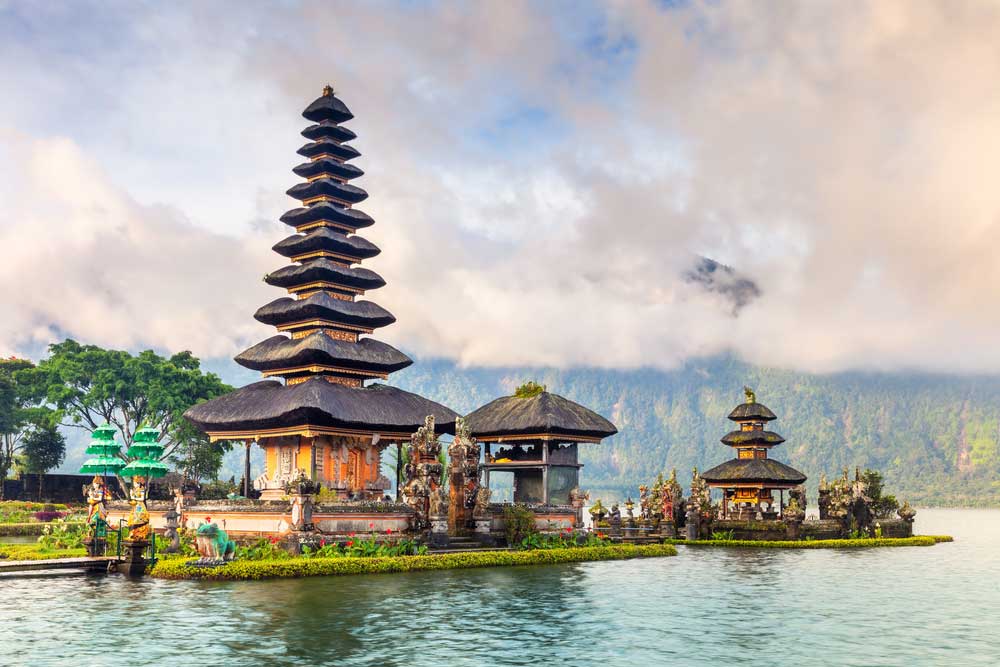
- Unwind in the cultural richness of Ubud, embracing its vibrant artisan scene and tranquil surroundings, perfectly blending tradition and modernity.
Itinerary Details
Welcome to Yogyakarta, the cultural heart of Java. Upon arrival at Yogyakarta International Airport, your guide will greet you and transfer you to your hotel. Take time to relax after your journey, or explore the city’s lively streets filled with heritage and charm. This evening, settle in and prepare for the adventure that lies ahead.
Overnight in Santika Premiere Hotel or similar.
Begin your day with a visit to the magnificent Borobudur Temple, a UNESCO World Heritage site renowned for its intricate ancient carvings and impressive architecture. After enjoying lunch at a local restaurant, experience the rural charm with a horse-drawn dokar ride through Candirejo Village. Travel along peaceful lanes lined with traditional houses and observe local activities such as cassava cracker making, gamelan music, and crop harvesting.
Overnight in Santika Premiere Hotel or similar.
Explore Yogyakarta’s rich cultural heritage aboard a traditional becak (rickshaw). Your tour begins with a visit to the Royal Palace (Keraton), the epicenter of Javanese culture. Walk through the palace grounds, admiring royal garments and artifacts, then continue to the Tamansari Water Castle. After lunch, discover the ancient art of batik making before visiting the magnificent 9th-century Prambanan Temple, an outstanding example of Hindu temple architecture.
Overnight in Santika Premiere Hotel or similar.
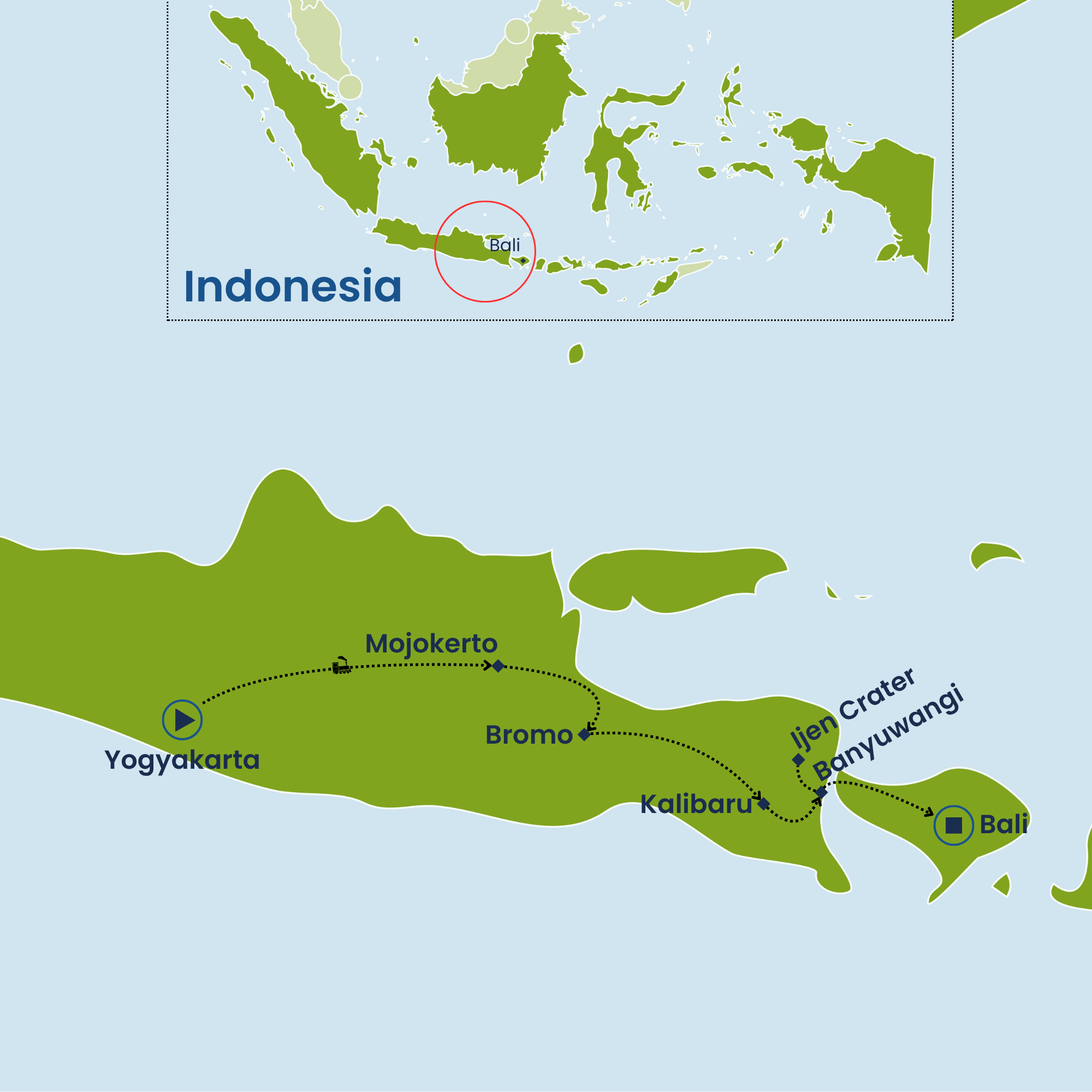
Embark on an executive train journey through the heartland of Java, traveling from Yogyakarta to Mojokerto. Along the way, enjoy views of lush forests and countryside before visiting Madakaripura Waterfall near Mount Bromo (recommended to bring water and sport shoes). Continue on to Cemoro Lawang and check into your mountain lodge near Mount Bromo, where the next phase of your adventure begins.
Overnight in Santika Premiere Hotel or similar.
Rise before dawn for a sunrise experience over the surreal, moon-like landscape of Mount Bromo. Travel by 4WD jeep to a vantage point providing panoramic views of the volcano and its mist-covered surroundings. Descend into the caldera by 4WD and either climb the stairs to the crater rim or choose the option of a horseback ride (at personal expense) to the crater's edge, where you can peer into the heart of the still-active volcano. After this exhilarating excursion, return to your hotel for breakfast before continuing your journey to Kalibaru, including a scenic lunch stop along the way.
Overnight in Margo Utomo Hotel or similar.
Explore the plantations of Kalibaru, learning about coffee, clove, and cacao cultivation as well as the production of coffee and brown sugar. In the afternoon, proceed to Banyuwangi where you will spend a restful evening.
Overnight in Lintang Luku Tent Hotel or similar.
Depart early at 3 AM for a trek to the Ijen Crater, known for its striking turquoise lake and the unique sulphur miners working the crater's rim. From the Paltuding ranger post, undertake a trek of approximately 3 kilometers (about 90 minutes) to reach the crater rim in time for sunrise. After descending, return to the hotel for breakfast and shower before continuing your journey. Travel to Ketapang harbor, cross to Bali by ferry, and then transfer to Ubud for check-in and further activities at leisure.
Overnight in Kajane Mua Resort or similar.
Enjoy a day of leisure in Bali following your arrival from Java. Relax at the resort or explore the vibrant streets of Ubud at your own pace. In the evening, gather for a farewell dinner at the hotel to mark the conclusion of your journey.
Overnight in Kajane Mua Resort or similar.
After breakfast, bid farewell to your fellow travelers and enjoy a final moment of leisure before your transfer to the airport for your onward flight.
Travel Notes
Yogyakarta to Bromo
Approx. 230 km / Approx. 6-7 hours by train and road.
Bromo to Kalibaru
Approx. 150 km / Approx. 5-6 hours by road.
Kalibaru to Banyuwangi
Approx. 70 km / Approx. 2-3 hours by road.
Banyuwangi to Bali
Approx. 40 km plus ferry crossing / Approx. 4-5 hours including ferry by ferry and road.
Travel between major stops often involves mixed transport modes, including train, road, and ferry segments, with durations impacted by road conditions and ferry schedules. Roads in rural and mountainous areas may be winding and less developed, so expect moderate travel comfort and occasional delays. The ferry crossing between Banyuwangi and Bali is subject to weather and operational timing, requiring early arrivals. Basic accommodation is generally available, though some areas are remote. Seasonality can also affect road and travel conditions, particularly during the rainy season.
All travel distances and times are indicative only and may vary depending on traffic, weather, routing and local conditions.
Destination Information
Bromo
Bromo is a distinctive highland area defined by its vast volcanic landscape and the enduring presence of local Tenggerese communities. The terrain is dominated by expansive volcanic plains, where the Sea of Sand—a wide expanse of fine volcanic ash—stretches beneath the towering caldera walls. This stark environment contrasts with the surrounding rugged peaks, including the active Mount Bromo, whose smoking crater punctuates the horizon. The nearby Semeru volcano, the highest peak in the region, adds to the dramatic natural setting. Beyond its geological features, Bromo is shaped by the Tenggerese people, whose traditional practices and rituals remain integral to daily life, reflecting a deep connection to the land and its volcanic forces. The national park encompassing this area preserves both the unique ecosystem and cultural heritage, offering a landscape where natural phenomena and human presence coexist. The atmosphere here is quiet and elemental, marked by open skies, shifting sands, and the steady rhythm of local customs that continue amid the volcanic terrain.
Yogyakarta
Yogyakarta is a city where cultural heritage and everyday life intertwine amid a setting of volcanic plains and lush tropical greenery. Its compact urban fabric blends traditional Javanese architecture with colonial influences, creating a distinctive streetscape that supports a lively mix of markets, workshops, and royal palaces. The city’s atmosphere is shaped by the presence of the Kraton, a royal palace complex that remains a center of Javanese culture and ceremony, while nearby streets bustle with vendors selling batik textiles and local crafts. Beyond the urban core, the silhouette of Mount Merapi rises sharply, a constant natural presence that influences both the landscape and local livelihoods. The surrounding region holds one of the largest Buddhist monuments in the world, the Borobudur Temple Complex, which reflects the area’s deep historical layers and religious traditions. Yogyakarta’s streets, markets, and artisan workshops offer insight into the rhythms of daily life, where traditional practices continue alongside modern activity, providing a tangible connection to the city’s cultural roots and its evolving identity.
Kalibaru
Kalibaru is a rural area nestled within the lush tropical rainforests of East Java, where agricultural life shapes much of the local landscape and daily rhythm. The village environment is marked by modest wooden homes and narrow paths winding through dense vegetation, reflecting a traditional Javanese way of life closely connected to the land. Surrounding Kalibaru, expansive tea plantations stretch across rolling hills, their orderly rows contrasting with the wild greenery of the forest. Nearby volcanic terrain, including the striking presence of Mount Ijen, adds a dramatic backdrop and influences the soil fertility that supports diverse crops. Local markets offer a glimpse into the region’s agricultural economy, where fresh produce and commodities are traded amid the hum of everyday activity. The combination of natural features, farming practices, and enduring village customs creates a setting where visitors can observe the interplay between environment and community in a part of Java less altered by urban development. This blend of cultivated landscapes and traditional settlement patterns defines Kalibaru’s distinctive character.
Banyuwangi
Banyuwangi occupies the easternmost tip of Java, where volcanic landscapes meet the Indian Ocean, creating a diverse environment that shapes local life and culture. The area is marked by rugged terrain, including the striking Ijen Crater, whose sulphur mines and rare blue flames draw attention to the region’s volcanic activity. Surrounding this natural landmark, the land transitions into coastal villages where fishing remains a daily occupation, and traditional rhythms persist alongside agricultural practices such as coffee cultivation. The nearby Baluran National Park offers a contrasting savannah landscape, home to wildlife that reflects the region’s ecological variety. Within Banyuwangi town, cultural expression remains tangible, with traditional dance performances that maintain local heritage and community identity. The combination of active volcanic features, coastal livelihoods, protected natural reserves, and enduring cultural practices gives Banyuwangi a distinctive character that reflects both its natural forces and human adaptation to them. This blend of environments and traditions provides insight into a part of Java where nature and culture coexist in a setting defined by both its physical contours and the everyday lives of its inhabitants.
Bali
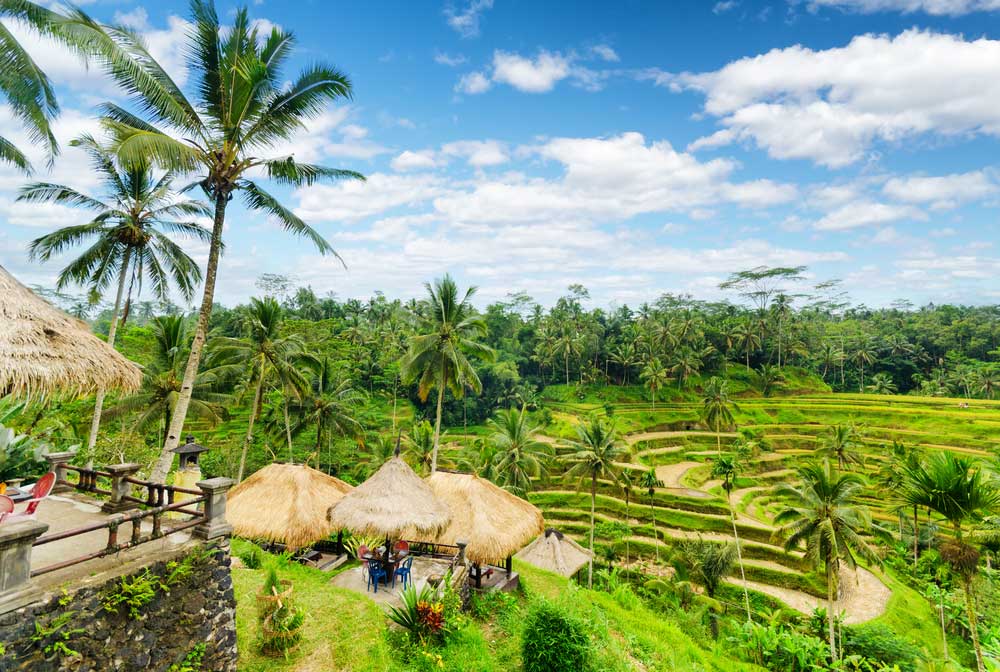
Bali presents a diverse landscape where coastal cliffs meet lush inland valleys, offering a distinct blend of natural beauty and cultural depth within Indonesia. The island’s terrain varies from terraced rice fields sculpted into hillsides to the imposing silhouette of Mount Agung, an active volcano that shapes both the environment and local spiritual practices. Along the southern coast, the Uluwatu Temple perches dramatically on a limestone promontory, its traditional architecture and ocean views reflecting Bali’s enduring religious heritage. Cultural expression remains integral to daily life, with traditional Balinese dance performances illustrating stories passed through generations. In contrast, areas like Seminyak reveal a more contemporary side of Bali, where a concentrated business district reflects the island’s evolving economic landscape amid its natural surroundings. The combination of rural landscapes, volcanic landmarks, and pockets of urban development creates a multifaceted atmosphere where visitors can engage with both the island’s longstanding traditions and its modern rhythms. This interplay between environment, culture, and commerce defines Bali’s unique character as a place of ongoing cultural vitality and striking physical presence.
Mojokerto
Mojokerto presents a distinctive blend of historical depth and everyday life set along the fertile banks of the Brantas River in East Java. The town’s landscape is marked by the remnants of ancient stone structures and scattered ruins that speak to its past as the centre of the Majapahit Empire, one of Indonesia’s most influential kingdoms. Within the urban fabric, local markets bustle with activity, offering a glimpse into contemporary Javanese commerce and social interaction. The surrounding environment combines agricultural fields and riverine scenery, providing a quiet contrast to the town’s historical sites. Traditional Javanese cultural practices remain visible in daily routines and community events, reinforcing a connection between the present and the region’s rich heritage. The Trowulan Archaeological Site, located nearby, anchors Mojokerto’s identity, revealing layers of architectural and artistic achievement that continue to draw interest. Together, these elements create a setting where history and modern life coexist, offering insight into the enduring legacy of Java’s past within a living, working community.
Hotel Information
Accommodation throughout this journey is carefully selected to complement the overall travel experience and typically consists of comfortable 3 to 4-star hotels, resorts, lodges, or boutique properties, depending on the destination, routing, and local infrastructure.
All properties are chosen with care based on location, comfort, service standards, atmosphere, and suitability for the itinerary. Exact hotel names may vary depending on departure date, seasonality, group size, and availability at the time of booking.
Final hotel details will be provided with the confirmed travel documentation. In some cases, accommodations may be replaced by properties of a similar standard should operational reasons or availability require a change.
For specific accommodation requests or further questions regarding the hotels used on this journey, please contact our reservations team at reservation@kavaya.travel.
Inclusions & Exclusions
Included
Not Included
| Date | Start Date | End Date | TWN/DBL Share | SGL Room |
|---|---|---|---|---|
| 10/08/2026 | Monday, 10 August 2026 | Tuesday, 18 August 2026 | 1538 | 1960 |
| 07/09/2026 | Monday, 07 September 2026 | Tuesday, 15 September 2026 | 1396 | 1817 |
| 12/10/2026 | Monday, 12 October 2026 | Tuesday, 20 October 2026 | 1396 | 1817 |
| 09/11/2026 | Monday, 09 November 2026 | Tuesday, 17 November 2026 | 1396 | 1817 |
| 07/12/2026 | Monday, 07 December 2026 | Tuesday, 15 December 2026 | 1396 | 1817 |
| 11/01/2027 | Monday, 11 January 2027 | Tuesday, 19 January 2027 | 1396 | 1817 |
| 08/02/2027 | Monday, 08 February 2027 | Tuesday, 16 February 2027 | 1396 | 1817 |
No widgets added. You can disable footer widget area in theme options - footer options