Vietnam Summer Escape
From USD per person
based on two persons travelling
Prices on RequestPlease contact us for pricing
German
Russian
Spanish
Soft Adventure
This Vietnam Summer Escape offers a captivating overland route through northern Vietnam’s striking landscapes and cultural heritage sites. Beginning in Hanoi, the journey ascends to the mountainous town of Sapa, where highland villages and terraced rice fields provide immersive trekking opportunities. The itinerary includes a vibrant visit to Bac Ha Market, a unique mosaic of ethnic minorities, followed by serene exploration of river scenery along the Chay River. En route back to Hanoi, the tour uncovers scenic mountain passes and cascading waterfalls. The adventure concludes with a serene sampan cruise in Ninh Binh, featuring limestone karsts and historic temples. This well-paced travel experience combines active exploration and cultural insights with comfortable private transport and knowledgeable local guides, ideal for discerning guests seeking an engaging summer discovery of Vietnam’s north and central landscapes.
Insider Experiences
- Traverse through traditional hill tribe villages amidst dramatic terraced rice fields and cascading streams, experiencing authentic northern Vietnamese highland culture and landscapes.
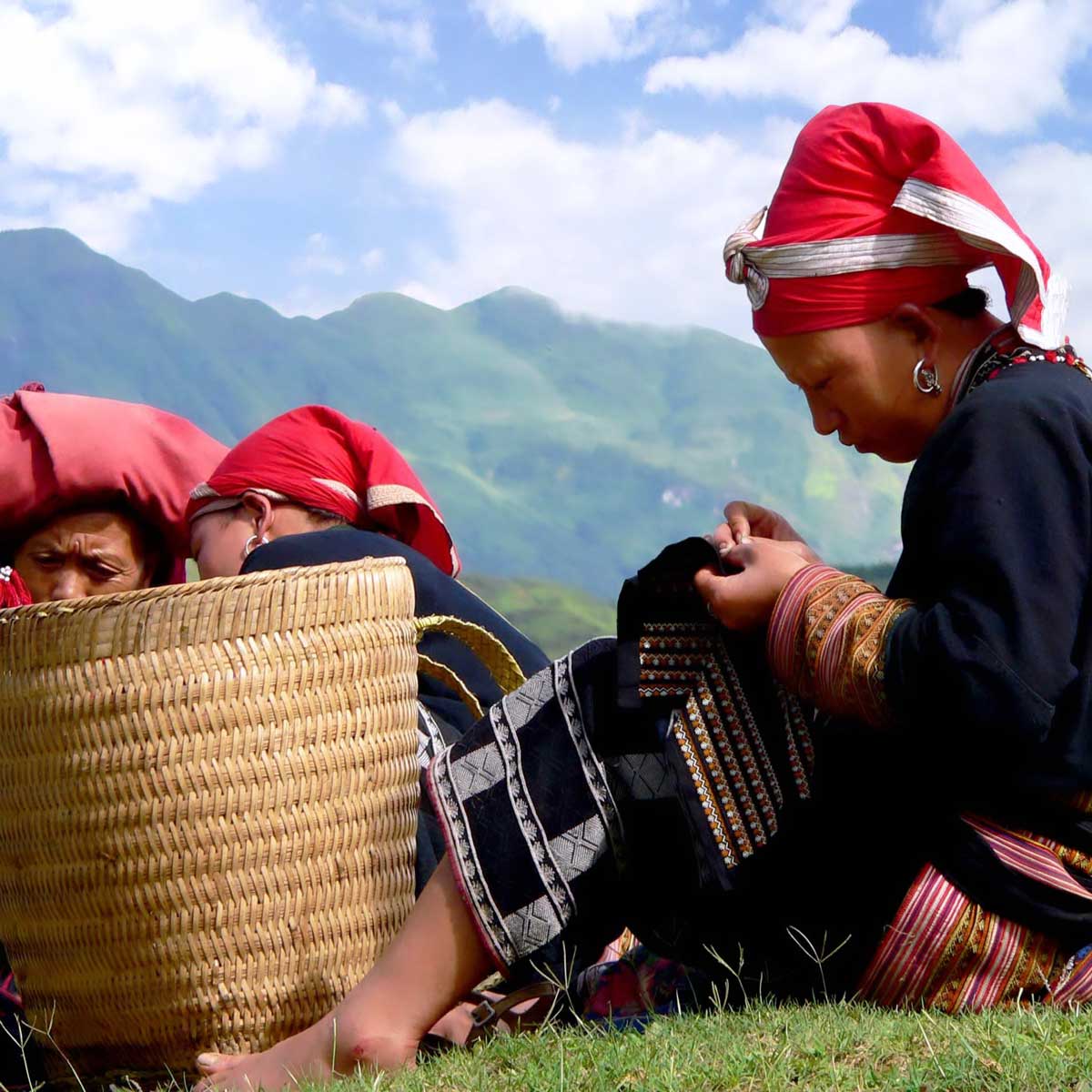
- Engage with local ethnic communities at Bac Ha Market where vibrant traditional costumes, fresh produce, and handcrafted goods create an exceptional cultural tapestry.
- Enjoy a tranquil boat cruise along the Chay River, embraced by lush greenery and evocative rural settings, offering both relaxation and scenic beauty in harmony.
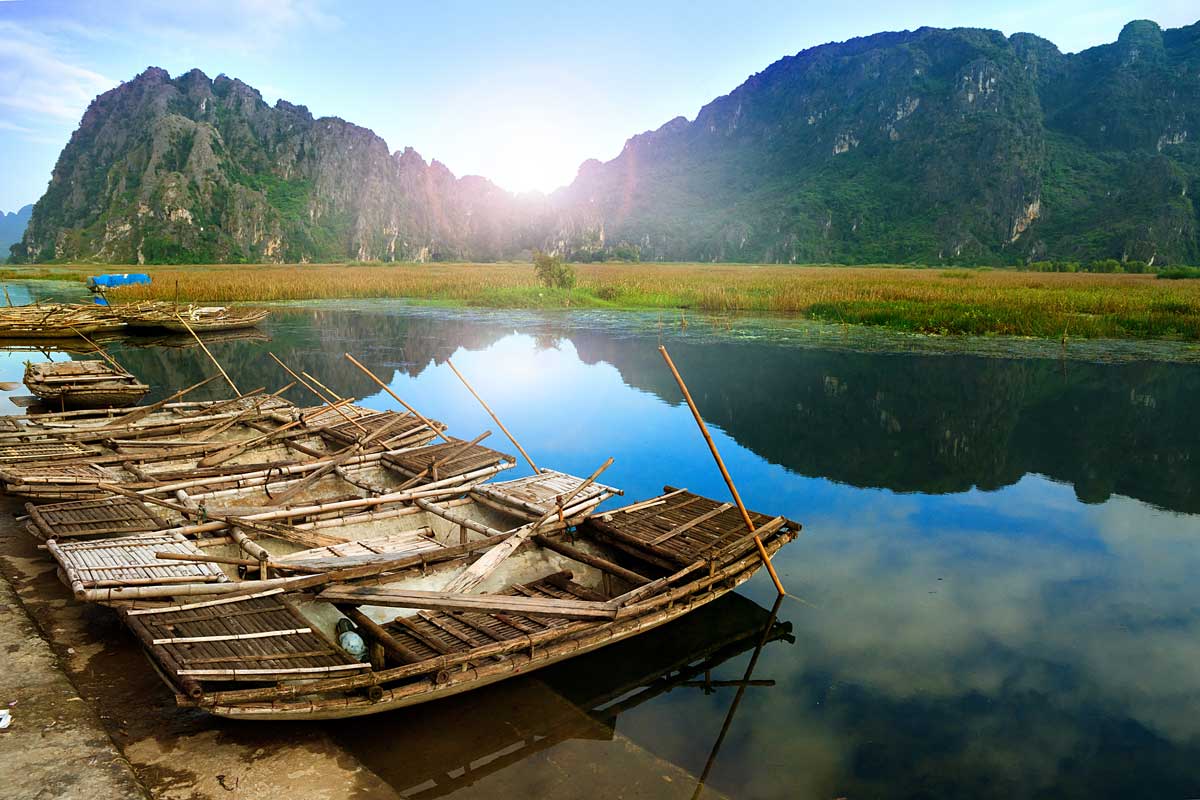
- Explore timeless limestone karst formations and ancient temple sites in Ninh Binh by sampan, blending natural wonder with centuries-old spiritual heritage.
Itinerary Details
Pick up from your accommodation in Hanoi for an overland journey to Sapa, a scenic mountain town located in northern Vietnam. In the afternoon, visit Fansipan Mountain, the highest peak in Vietnam and all of Indochina, standing at 3,147 meters. Enjoy the dramatic highland scenery and the refreshing mountain atmosphere surrounding this iconic destination.
Meet your local guide and driver at your hotel in Sapa for a short transfer to Cat Cat village. Begin your trek through the village, passing a waterfall, a hydroelectric station, and expansive terraced rice fields. Continue along a narrow stream to Y Linh Ho village, home to the Black Hmong ethnic group, where lunch is served near the river. After lunch, trek through Muong Hoa Valley, passing Lao Chai village and continuing to Ta Van village of the Giay people before returning to Sapa by car.
Travel to Bac Ha, home to one of the largest traditional markets in the region. Every Sunday, ethnic communities including the Hmong, Phu La, Black Dzao, Tay, and Nung gather here to trade homemade products, farm goods, and household items. After lunch at a local restaurant, continue toward Lao Cai and stop at Trung Do village, inhabited by the Tay people. Visit a traditional Tay house for tea before enjoying a short boat cruise upstream on the Chay River, surrounded by beautiful river scenery. Return to Sapa after the excursion.
Meet your guide and driver for a scenic journey from Sapa toward the Hoang Lien Son mountain range. Along the route, pass peaceful countryside landscapes dotted with rose farms, chayote fields, and local highland farming areas. Visit Silver Waterfall, one of the most attractive waterfalls in the region, cascading down from the mountains amid lush greenery. Continue to Heaven’s Gate at Tram Ton Pass, the highest mountain pass in Vietnam, where panoramic views open across Fansipan Mountain, valleys, and surrounding peaks. On the return journey, stop in O Quy Ho Valley, a fertile area known for vegetables, flowers, fruit trees, and medicinal plants. Afterwards, travel back to Hanoi.
Depart Hanoi for Ninh Binh, often referred to as Vietnam’s inland Halong Bay, noted for its limestone mountains, rivers, rice fields, and cultural landmarks. Visit Hoa Lu, the ancient capital of Vietnam from the 10th century, and explore temples dedicated to King Dinh Tien Hoang and King Le Dai Hanh. Continue with a peaceful sampan cruise through rice fields and limestone grottoes, followed by a visit to the Bich Dong cave pagodas, set into the mountainside and dating from the 17th century. Return to Hanoi after the excursion.
Depending on your flight schedule, transfer with your local guide to Noi Bai International Airport for your departure flight.
Travel Notes
Hanoi to Sapa
Approx. 320 km / Approx. 6 to 7 hours by road.
Sapa to Bac Ha
Approx. 70 km / Approx. 2 hours by road.
Bac Ha to Sapa
Approx. 70 km / Approx. 2 hours by road.
Sapa to Hanoi
Approx. 320 km / Approx. 6 to 7 hours by road.
Hanoi to Ninh Binh
Approx. 95 km / Approx. 2 to 2.5 hours by road.
Ninh Binh to Hanoi
Approx. 95 km / Approx. 2 to 2.5 hours by road.
The road conditions between Hanoi and Sapa include mountainous stretches, making travel times variable and sometimes longer during poor weather, especially in the rainy season. Roads around Bac Ha and the local villages are generally narrow and winding, requiring careful driving. Transfers between major cities and rural areas typically involve private vehicles, with basic accommodation commonly available in more remote mountain regions. Planning for buffer times during peak traffic or seasonal local events is advisable for accurate scheduling.
All travel distances and times are indicative only and may vary depending on traffic, weather, routing and local conditions.
Destination Information
Hanoi
Hanoi presents a distinctive blend of historical depth and urban vitality set along the banks of the Red River in northern Vietnam. The city’s compact core features narrow streets lined with low-rise buildings that reflect centuries of architectural influence, from traditional Vietnamese to French colonial styles. At its heart, a tranquil lake punctuates the dense urban fabric, offering a quiet contrast to the surrounding bustle. Hanoi’s streets bustle with a mix of motorbikes, street vendors, and local commerce, creating a textured everyday scene that reveals the city’s ongoing evolution. Cultural landmarks are woven into the urban landscape, with a temple dedicated to Confucian learning standing amid busy neighborhoods, and a solemn mausoleum commemorating a key figure in Vietnam’s modern history. The city’s location within the fertile Red River Delta shapes its character, linking it to a wider agricultural region while maintaining a distinctly urban pace. This combination of water, history, and active street life defines Hanoi as a place where tradition and contemporary life coexist visibly and tangibly.
Sapa
Sapa occupies a distinctive place in northern Vietnam’s mountainous landscape, where steep slopes and deep valleys shape both the environment and local life. The town is surrounded by rugged peaks and extensive terraced rice fields that contour the hillsides, reflecting centuries of agricultural adaptation. These terraces create a patchwork of green and gold that changes with the seasons, offering a tangible connection to the region’s rural traditions. The presence of diverse ethnic minority communities adds a layer of cultural richness, visible in the traditional dress, markets, and village settlements scattered throughout the area. Daily activity in Sapa’s central market reveals a blend of local commerce and social interaction, where fresh produce, handicrafts, and textiles are exchanged. Nearby, Hoang Lien Son National Park provides a natural backdrop of dense forests and biodiversity, while Fansipan Mountain rises prominently as the highest peak in Indochina, drawing attention for its challenging terrain and panoramic views. Together, these elements create a setting where natural beauty, cultural heritage, and everyday life intersect in a way that distinguishes Sapa from other parts of the country.
Lao Cai
Lao Cai is a mountainous area defined by its rugged terrain and diverse ethnic communities, where steep slopes give way to lush valleys and cultivated terraces. The landscape is marked by dramatic elevation changes, with the imposing peak of Fansipan nearby, the highest in the region, shaping the local climate and vegetation. The surrounding hillsides are carved into intricate terraced fields, reflecting centuries of agricultural adaptation and offering a patchwork of green and gold hues. At the heart of the region, vibrant markets such as Bac Ha provide a glimpse into the daily lives and traditions of various hill tribes, where local produce, textiles, and crafts are exchanged amid lively social interaction. The Muong Hoa Valley extends through this landscape, its river winding past villages and rice paddies, connecting natural beauty with human settlement. Bordering China, the Lao Cai Border Gate marks a point of cultural and economic exchange, underscoring the area's role beyond its natural features. Together, these elements create a setting where natural grandeur and cultural richness coexist, offering insight into the rhythms of rural life in northern Vietnam.
Halong Bay
Halong Bay presents a striking seascape where towering limestone karst formations rise sharply from emerald waters, creating a rugged and sculptural horizon unique within the region. This coastal area extends across a vast expanse of sea dotted with thousands of islands and islets, many cloaked in dense vegetation, offering a complex natural environment shaped by millennia of geological activity. The bay’s calm waters are home to diverse marine ecosystems, supporting a range of fish and coral species that sustain local fishing communities. These communities maintain traditional ways of life, including floating villages where houses and markets rest on wooden platforms, blending human activity seamlessly with the aquatic landscape. The area’s cultural fabric is enriched by local legends and historical narratives tied to the karsts and the sea, reflecting a deep connection between people and place. Recognized for its geological and ecological value, this UNESCO World Heritage Site combines natural grandeur with ongoing human presence, creating a living environment where nature and culture coexist visibly and continuously.
Ninh Binh
Ninh Binh is a province in northern Vietnam distinguished by its striking karst landscapes, winding rivers, and a blend of natural and historical elements that shape its quiet rural character. The terrain is marked by limestone mountains rising sharply from flat rice paddies, creating a distinctive and tranquil environment where waterways thread through caves and valleys. This setting supports a way of life closely tied to agriculture, with local farming practices still visible alongside the natural scenery. The area’s historical significance is evident in sites like the ancient capital, where remnants of Vietnam’s early dynasties offer insight into the region’s past governance and culture. Religious architecture, such as pagodas nestled into rocky hillsides, reflects longstanding spiritual traditions integrated with the landscape. The slow pace of life here, combined with the visual contrast between cultivated fields and rugged limestone formations, gives Ninh Binh a contemplative atmosphere that invites exploration beyond its landmarks. Visitors experience a place where natural beauty, history, and everyday rural activity coexist in a distinctive and enduring setting.
Hoa Lu
Hoa Lu is set within a landscape of limestone karsts and winding rivers in northern Vietnam, where the remnants of an ancient capital reveal a quieter, rural environment shaped by centuries of history and agriculture. Unlike the larger urban centres of the region, Hoa Lu offers a compact area where historical sites coexist closely with active farming communities, reflecting a continuity of local life amid preserved heritage. The area’s defining features include the Dinh and Le Temples, which stand as enduring examples of early Vietnamese architecture and religious practice, nestled among rice paddies and limestone hills. Surrounding these temples, the natural terrain of the Trang An Landscape Complex extends the experience beyond built heritage to a dramatic karst landscape interlaced with waterways, caves, and trails. This setting provides insight into how the region’s geography influenced settlement patterns and cultural development. Daily life here moves at a measured pace, with agricultural activities remaining central to the local economy, offering travellers a tangible sense of place grounded in both history and the rhythms of rural northern Vietnam.
Fansipan
Fansipan rises sharply within the rugged terrain of northern Vietnam’s Lao Cai Province, offering a distinctive mountain environment that contrasts with the surrounding lowland valleys. This area is characterized by steep slopes covered in dense forests, where diverse flora and fauna thrive amid the cool, often misty climate. The mountain’s summit, the highest point in Indochina, draws attention for its dramatic elevation and the panoramic views it affords across the Muong Hoa Valley below, where terraced fields and small villages punctuate the landscape. The presence of a cable car system facilitates access to the upper reaches, allowing visitors to experience the transition from cultivated valley floors to the pristine alpine ecosystem. Local communities maintain traditional ways of life, reflected in the scattered settlements and agricultural patterns that shape the valley’s appearance. The combination of natural features, from rich biodiversity to the imposing mountain peak, defines Fansipan as a place where the physical landscape and human activity intersect, creating a setting that is both visually striking and culturally grounded.
Bac Ha
Bac Ha is a market town set amidst the rugged terrain of northern Vietnam’s Hoang Lien Son mountain range, where steep hills and terraced fields shape the landscape. The town’s streets and open spaces reflect a blend of ethnic traditions, most notably those of the Flower Hmong community, whose distinctive embroidered clothing and customs influence the local atmosphere. Bac Ha’s lively Sunday market draws visitors and residents alike, offering a glimpse into the daily commerce and social exchanges that sustain the surrounding rural communities. Traditional handicrafts, including textiles and woven goods, are integral to both the market and local life, connecting present-day activity with longstanding artisanal practices. Historical sites scattered around Bac Ha reveal layers of the region’s past, set against the backdrop of the mountainous environment that defines the area’s physical and cultural character. The combination of natural scenery, ethnic diversity, and enduring local traditions gives Bac Ha a distinct identity within northern Vietnam, where everyday life unfolds in close relationship with the land and its heritage.
Hotel Information
Accommodation throughout this journey is carefully selected to complement the overall travel experience and typically consists of comfortable 3 to 4-star hotels, resorts, lodges, or boutique properties, depending on the destination, routing, and local infrastructure.
All properties are chosen with care based on location, comfort, service standards, atmosphere, and suitability for the itinerary. Exact hotel names may vary depending on departure date, seasonality, group size, and availability at the time of booking.
Final hotel details will be provided with the confirmed travel documentation. In some cases, accommodations may be replaced by properties of a similar standard should operational reasons or availability require a change.
For specific accommodation requests or further questions regarding the hotels used on this journey, please contact our reservations team at reservation@kavaya.travel.
Inclusions & Exclusions
Inclusions
Exclusions
No widgets added. You can disable footer widget area in theme options - footer options