Vietnam Classic Journey
From Price per person
based on two persons travelling
$1,460
Next Available Departures
View all scheduled departures
August 2026
September 2026
October 2026
November 2026
December 2026
January 2027
February 2027
March 2027
This comprehensive journey through Vietnam showcases the country’s diverse landscapes and rich heritage, beginning in the bustling capital of Hanoi before ascending to the mountainous highlands of Sapa. Explore ethnic minority villages and take in spectacular panoramas from the peak of Fansipan. Descend to the tranquil karst landscapes of Ninh Binh and continue to the iconic seascape of Halong Bay aboard a refined junk boat. The itinerary then leads southward to the ancient imperial city of Hue and the charming, UNESCO-listed town of Hoi An. Travel in air-conditioned comfort with a blend of guided walking tours, scenic drives and cultural visits, providing agents with an engaging program suitable for clients seeking a balanced combination of natural beauty, history and authentic local experiences.
Insider Experiences
- Ascend Fansipan’s summit via cable car to witness breathtaking mountain vistas and explore historic temples set among the serene Hoang Lien Son range in Sapa’s stunning highlands.
- Glide through the mystical waterways of Trang An on a handcrafted boat, revealing limestone karst formations and caves within a UNESCO World Heritage landscape of timeless natural beauty.
- Sail the emerald waters of Halong Bay aboard an elegant junk cruise, where towering limestone pillars rise dramatically above tranquil, shimmering seas.
- Stroll through Hoi An’s atmospheric ancient streets, where centuries-old architecture and vibrant markets evoke a rich history of cultural fusion and timeless charm.
Itinerary Details
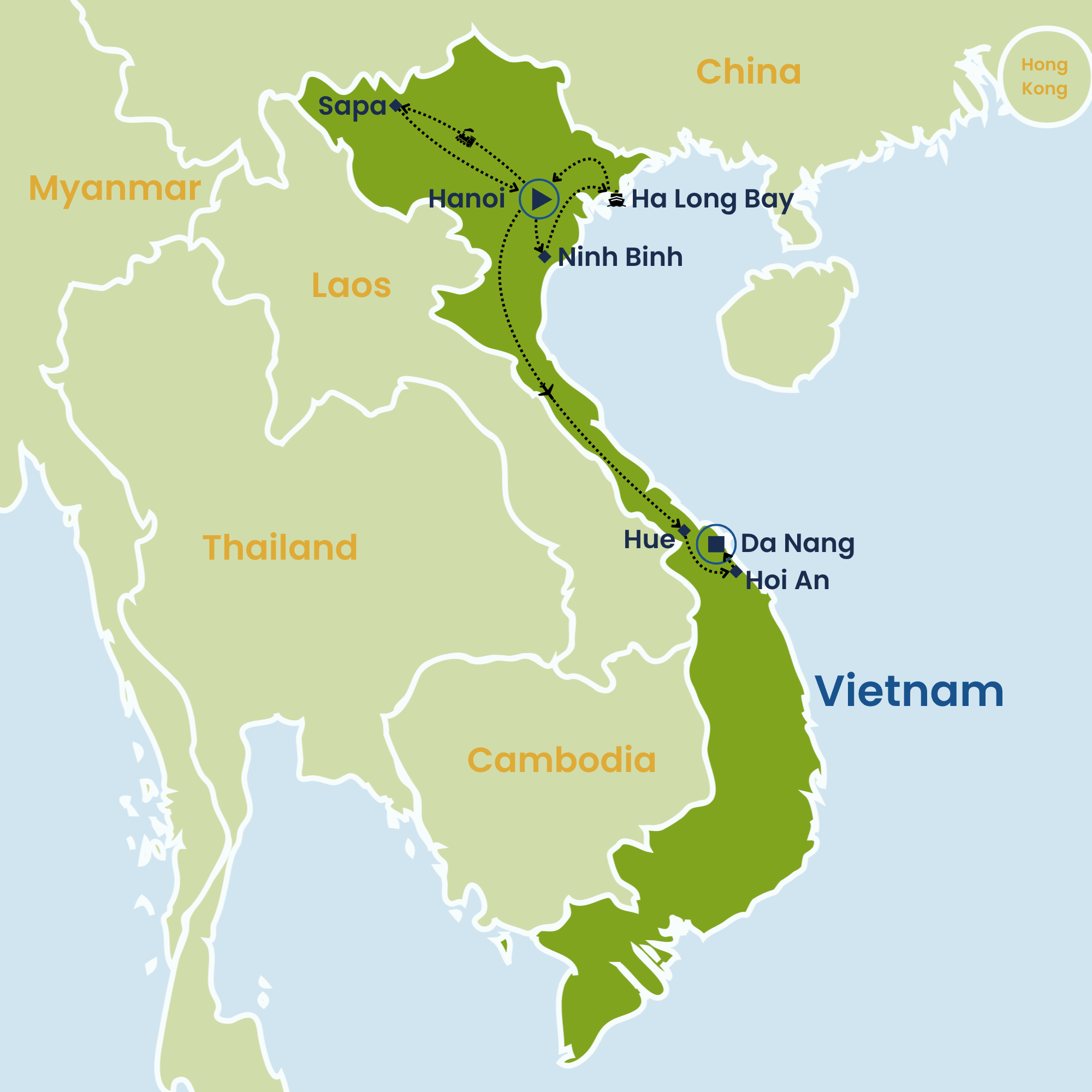
Arrive in Hanoi, where your local guide will meet you and accompany you to the station. Board the comfortable overnight train heading north toward Sapa, transitioning from the vibrant capital to the tranquil rural landscapes of northern Vietnam. As the train journeys through the countryside, relax and prepare for the mountainous scenery and cultural experiences awaiting in the highlands.
Overnight on Chapa Express Train (3 Star) or similar.
Arrive early at Lao Cai station and transfer to your hotel in Sapa town, enjoying spectacular panoramic mountain views en route. Sapa, located in the far northwest of Vietnam bordering China, is renowned for its deep mountain valleys and traditional villages. After breakfast, ascend to the peak of Fansipan by cable car, reaching 3,000 meters to explore various temples and take in the natural beauty of the Hoang Lien Son mountains and Muong Hoa Valley.
Overnight in Bamboo Sapa (3 Star) or similar.
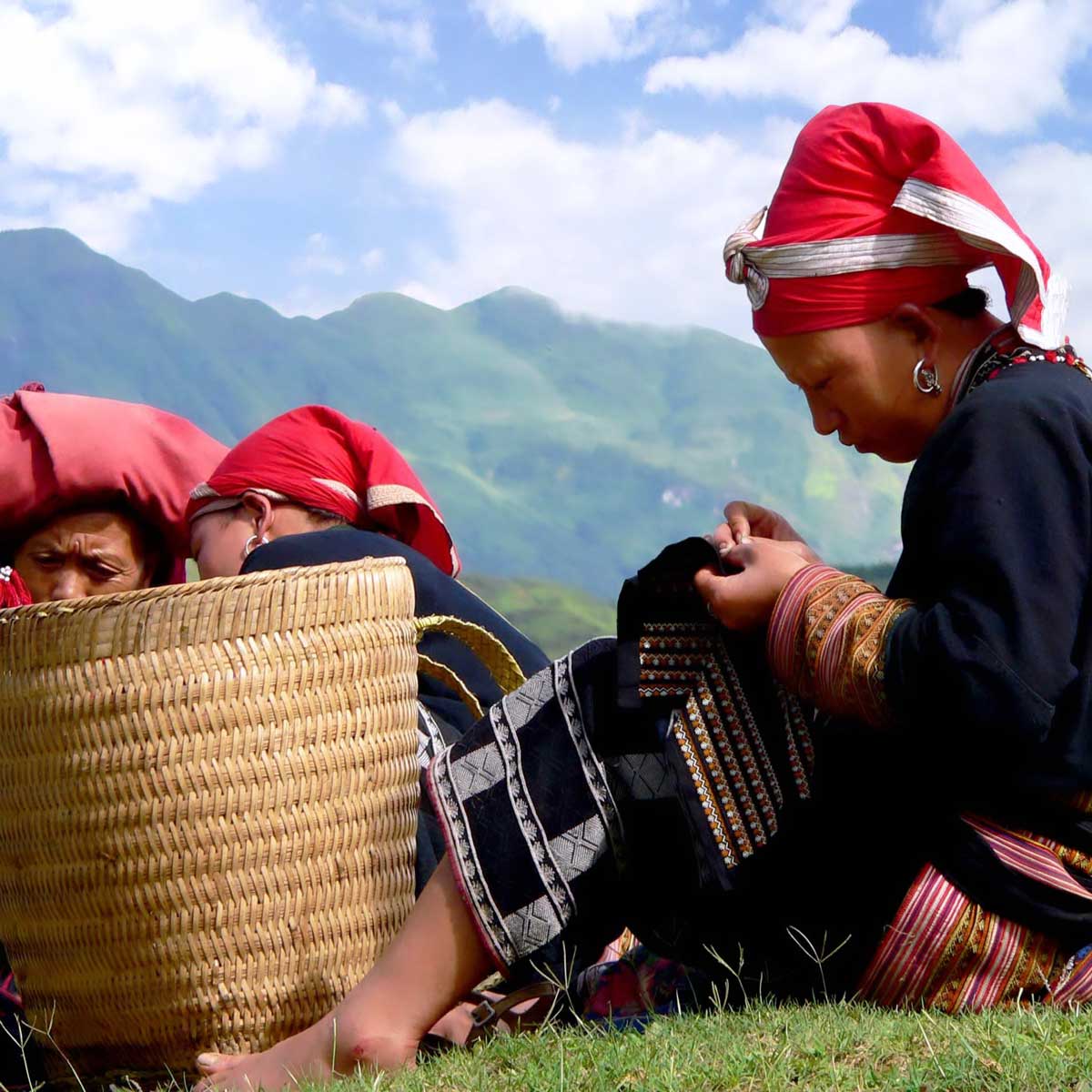
After breakfast, travel north of Sapa along National Road 4C to O Quy Ho Pass, stopping to admire remarkable landscapes including Fansipan, Sin Chai valley, and colorful flower and vegetable farms. Then take a narrow road through dense rainforest and past waterfalls to Ban Khoang, a Red Dao ethnic village where traditional lifestyles are well preserved through wet rice cultivation and cardamom farming under forest canopy. Spend over an hour walking through the village to gain insight into local life. Continue to Ta Giang Phinh valley, home to the Black Hmong, scattered along a serene stream. After a riverside lunch, walk along connecting village paths witnessing daily activities such as fieldwork, harvesting, and traditional handicrafts. Return by road to Sapa in the afternoon.
Overnight in Bamboo Sapa (3 Star) or similar.
Enjoy a leisurely morning in Sapa before a scenic drive back through the mountainous landscape towards Hanoi. Descend from the highlands to the bustling city, where you will transfer to your hotel. The remainder of the day is free before your tour briefing and welcome drinks with fellow travellers.
Overnight in Le Jardin Hotel & Spa (3 Star) or similar.
Explore Hanoi’s distinctive sites including Long Bien Bridge, St Joseph's Church, and the Opera House by car. Take a walking tour through the Old Quarter’s 36 ancient streets, experiencing the vibrant markets and local trade traditions. Visit the Ho Chi Minh Quarter, featuring the mausoleum, Presidential Palace (external view only), Uncle Ho’s stilt house, and One Pillar Pagoda. Then view the UNESCO-listed Citadel with its Flag Tower. After lunch at KOTO restaurant, continue to the Temple of Literature, Vietnam’s first university dedicated to Confucian worship. Visit Tran Quoc Temple, Ngoc Son Temple, and the “Hanoi Hilton” museum—the former prison for U.S. pilots during the Vietnam War—before returning to your hotel. Note that certain attractions may be closed on specific days or for maintenance as indicated.
Overnight in Le Jardin Hotel & Spa (3 Star) or similar.
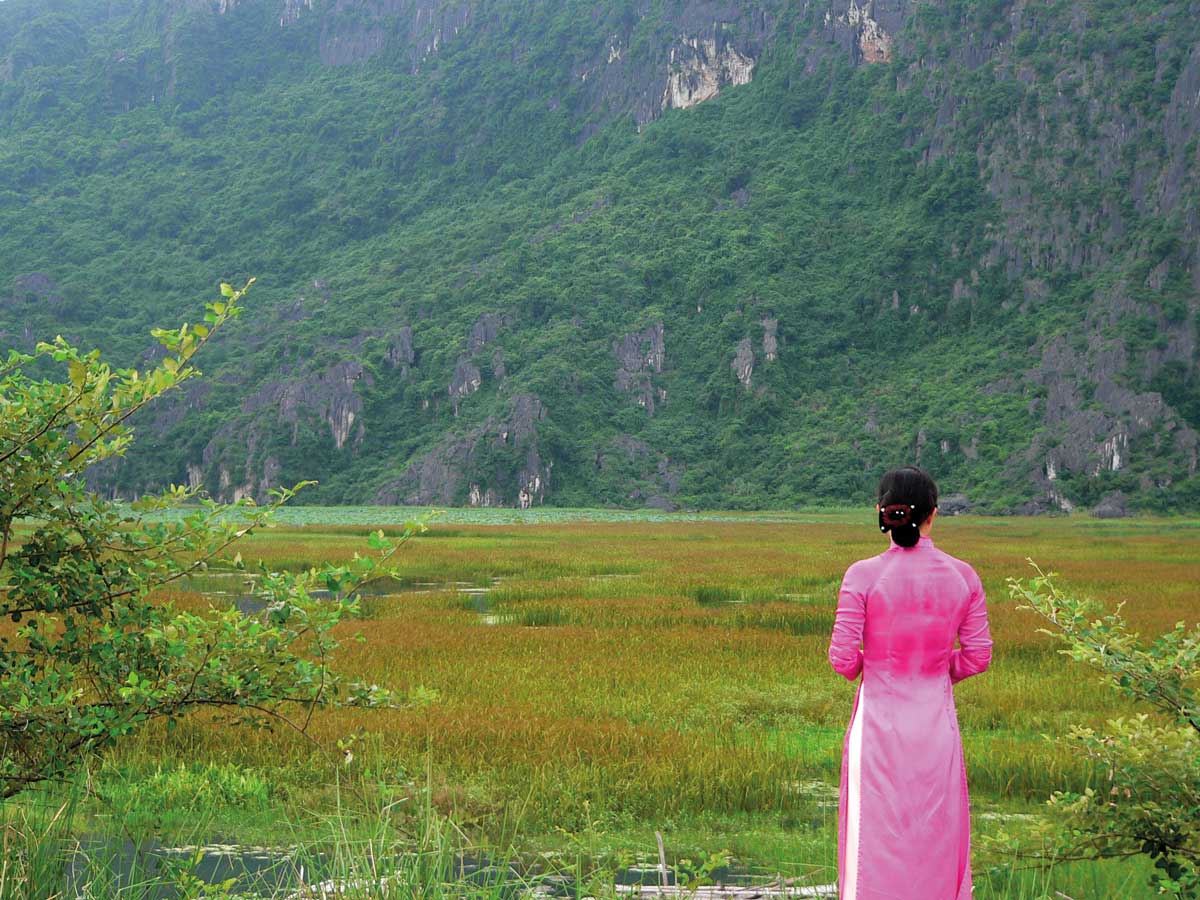
Travel approximately 90 km south to Hoa Lu, the ancient Vietnamese capital from the 10th century. Visit the sanctuary of Dinh Tien Hoang, a former emperor of the Dinh Dynasty, and the adjacent temple dedicated to the Le Emperor. Following the dynasty’s end, the capital was relocated to Hanoi. After lunch (own arrangement), explore the UNESCO-listed Trang An Landscape Complex by small boat. This area features impressive limestone karst peaks, submerged valleys, and steep cliffs, with caves evidencing human activity spanning over 30,000 years. Later, transfer to your hotel in Ninh Binh.
Overnight in Ninh Binh Hidden Charm Hotel (3 Star) or similar.
Travel from Ninh Binh to Halong City, the gateway to Halong Bay, passing through vast paddy fields and striking limestone karsts. Board a traditional junk boat to cruise the emerald waters of the bay, home to approximately 3,000 limestone islands and islets. Enjoy a sumptuous lunch onboard before exploring secluded areas of the bay. Spend the evening relaxing on the main deck, at the bar, or in your private cabin.
Overnight on Athena Luxury Cruise (3 Star) or similar.
Begin the day with an optional Tai Chi session on the sundeck or choose to relax while taking in the bay’s natural beauty. Following a buffet brunch, disembark and drive back to Hanoi for your onward flight to Hue, the former imperial capital located on the Perfume River.
Overnight in Pilgrimage Village Resort (3 Star) or similar.
Take a half-day tour of Hue, visiting the tomb of Emperor Tu Duc, set among lakes and frangipani trees. Proceed to Bunker Hill for panoramic views of the Perfume River and surrounding plains. Make a brief stop at the Tiger Colosseum before exploring the remarkable Nguyen Dynasty Citadel, a UNESCO World Heritage site heavily damaged during the 1968 Tet Offensive but progressively restored. Conclude this segment with a short boat trip to Thien Mu Pagoda, Hue’s oldest and most revered pagoda. After lunch (own arrangement), depart for Hoi An via the scenic Hai Van Pass, Vietnam’s natural boundary between north and south, often shrouded in clouds. Upon arrival, check in to your hotel and enjoy a free evening.
Overnight in Le Pavilion Luxury Resort (3 Star) or similar.
Begin a walking tour of Hoi An’s UNESCO-listed Ancient Town. Once a bustling trading port, the town’s architecture reflects Chinese, Japanese, Portuguese, French, and British influences. Visit a traditional ancient house, the Hoi An Museum, a Chinese Assembly Hall, Chau Ong pagoda, and the Japanese Covered Bridge. The tour concludes within the Ancient Town, allowing free time to explore further at your leisure.
Overnight in Le Pavilion Luxury Resort (3 Star) or similar.
After breakfast, transfer by short drive to Danang for your onward departure or next destination.
Travel Notes
Hanoi to Sapa
Approx. 320 km / Approx. 10-12 hours overnight by train.
Sapa to Hanoi
Approx. 320 km / Approx. 6-7 hours by road.
Hanoi to Ninh Binh
Approx. 90 km / Approx. 2-2.5 hours by road.
Ninh Binh to Ha Long Bay
Approx. 180 km / Approx. 4-5 hours by road.
Ha Long Bay to Hanoi
Approx. 160 km / Approx. 3.5-4 hours by road.
Hanoi to Hue
Approx. 600 km / Approx. 1.5 hours by flight.
Hue to Hoi An
Approx. 145 km / Approx. 3-4 hours by road.
Hoi An to Da Nang
Approx. 30 km / Approx. 45 minutes by road.
Intercity travel in northern Vietnam involves diverse modes, including an overnight train and mountain roads that can be winding, especially around Sapa. Road conditions vary, with some rural mountain roads less developed and potentially slower during rainy seasons. Flights between Hanoi and central Vietnam reduce travel time significantly. Transfers near Ha Long and between Hue and Hoi An may be affected by local traffic congestion. Accommodation in remote areas like Sapa tends to be basic but comfortable, with most transfers organized to minimize delays in the itinerary.
All travel distances and times are indicative only and may vary depending on traffic, weather, routing and local conditions.
Destination Information
Hanoi
Hanoi presents a distinctive blend of historical depth and urban vitality set along the banks of the Red River in northern Vietnam. The city’s compact core features narrow streets lined with low-rise buildings that reflect centuries of architectural influence, from traditional Vietnamese to French colonial styles. At its heart, a tranquil lake punctuates the dense urban fabric, offering a quiet contrast to the surrounding bustle. Hanoi’s streets bustle with a mix of motorbikes, street vendors, and local commerce, creating a textured everyday scene that reveals the city’s ongoing evolution. Cultural landmarks are woven into the urban landscape, with a temple dedicated to Confucian learning standing amid busy neighborhoods, and a solemn mausoleum commemorating a key figure in Vietnam’s modern history. The city’s location within the fertile Red River Delta shapes its character, linking it to a wider agricultural region while maintaining a distinctly urban pace. This combination of water, history, and active street life defines Hanoi as a place where tradition and contemporary life coexist visibly and tangibly.
Hoi An
Hoi An is a compact town set along the gentle curves of the Thu Bon River in Vietnam’s central coastal region, where narrow streets and low-rise buildings create an intimate urban fabric shaped by centuries of trade and cultural exchange. Its architecture reflects a blend of local and foreign influences, with wooden shop houses and tiled roofs lining quiet lanes that invite slow exploration. The town’s scale and layout encourage a pedestrian pace, fostering a close connection between everyday life and the preserved historic environment. Traditional crafts remain part of daily activity, visible in workshops where artisans shape lanterns that light the streets after dusk, adding a warm, tangible element to the town’s atmosphere. The Japanese Covered Bridge, a distinctive structure linking parts of the old quarter, exemplifies the layering of cultural influences and the integration of functional design with aesthetic detail. Beyond the built environment, the nearby river and coastal landscape contribute to Hoi An’s character, grounding it in a region known for its fertile plains and maritime heritage. This combination of architectural heritage, artisanal practice, and natural setting defines Hoi An’s appeal as a place where history and local life coexist closely.
Danang
Danang is a coastal city where urban development meets natural landscapes, offering a distinctive blend of modernity and tradition along Vietnam’s central coastline. Its broad sandy shores, exemplified by My Khe Beach, provide a relaxed environment that contrasts with the city’s growing skyline and bustling streets. The nearby Marble Mountains rise sharply from the flat coastal plain, their limestone peaks dotted with caves and pagodas that reflect centuries of spiritual and cultural activity. The Han River flows through the city, with the Han River Bridge serving as a functional and visual landmark that connects different parts of Danang while illuminating the cityscape after dark. The Cham Museum houses an extensive collection of sculptures and artifacts from the ancient Champa civilization, anchoring Danang’s historical significance amid its contemporary urban fabric. The city’s layout balances waterways, open spaces, and dense residential areas, creating a setting where everyday life unfolds alongside historical sites and natural features. Danang’s atmosphere is defined by this coexistence of coastal leisure, cultural heritage, and ongoing urban growth, making it a place where visitors can engage with both Vietnam’s past and present.
Hue
Hue, situated on the banks of the Perfume River in central Vietnam, serves as a pivotal cultural waypoint on many travel routes through the country’s historical heartland. The city’s layout reveals a deliberate symmetry with its expansive Citadel, constructed from laterite and brick, anchoring the urban fabric. Surrounding the fortified imperial complex, narrow streets bustle with everyday markets, where locals trade fresh produce and traditional crafts, highlighting a contrast between the city’s monumental past and its present-day rhythms. Beyond the urban core, the surrounding plains and nearby Annamite Mountains frame Hue within a diverse landscape that underscores its enduring role as a former imperial capital and a living community shaped by both tradition and the natural environment.
Sapa
Sapa occupies a distinctive place in northern Vietnam’s mountainous landscape, where steep slopes and deep valleys shape both the environment and local life. The town is surrounded by rugged peaks and extensive terraced rice fields that contour the hillsides, reflecting centuries of agricultural adaptation. These terraces create a patchwork of green and gold that changes with the seasons, offering a tangible connection to the region’s rural traditions. The presence of diverse ethnic minority communities adds a layer of cultural richness, visible in the traditional dress, markets, and village settlements scattered throughout the area. Daily activity in Sapa’s central market reveals a blend of local commerce and social interaction, where fresh produce, handicrafts, and textiles are exchanged. Nearby, Hoang Lien Son National Park provides a natural backdrop of dense forests and biodiversity, while Fansipan Mountain rises prominently as the highest peak in Indochina, drawing attention for its challenging terrain and panoramic views. Together, these elements create a setting where natural beauty, cultural heritage, and everyday life intersect in a way that distinguishes Sapa from other parts of the country.
Halong City
Halong City occupies a distinctive coastal landscape where limestone karsts rise sharply from emerald waters, shaping a setting that blends natural grandeur with local livelihoods. The city’s character is deeply influenced by its proximity to Halong Bay, whose dramatic seascape of towering islands and hidden inlets extends into the surrounding waters. Along the shoreline, small fishing villages maintain traditional practices, offering a glimpse into daily life shaped by the sea. Inland, the Quang Ninh Museum provides a structured narrative of the region’s cultural and geological heritage, complementing the natural environment with historical context. The area’s cave systems add another layer of geological interest, with intricate formations that reveal the slow processes shaping the landscape over millennia. Nearby coastal wetlands support diverse ecosystems, reflecting the balance between human activity and nature. Together, these elements create a place where the physical environment and community coexist, marked by a measured pace and a focus on maritime culture rather than urban bustle. This combination of striking natural features and enduring local traditions defines the experience of Halong City.
Halong Bay
Halong Bay presents a striking seascape where towering limestone karst formations rise sharply from emerald waters, creating a rugged and sculptural horizon unique within the region. This coastal area extends across a vast expanse of sea dotted with thousands of islands and islets, many cloaked in dense vegetation, offering a complex natural environment shaped by millennia of geological activity. The bay’s calm waters are home to diverse marine ecosystems, supporting a range of fish and coral species that sustain local fishing communities. These communities maintain traditional ways of life, including floating villages where houses and markets rest on wooden platforms, blending human activity seamlessly with the aquatic landscape. The area’s cultural fabric is enriched by local legends and historical narratives tied to the karsts and the sea, reflecting a deep connection between people and place. Recognized for its geological and ecological value, this UNESCO World Heritage Site combines natural grandeur with ongoing human presence, creating a living environment where nature and culture coexist visibly and continuously.
Ninh Binh
Ninh Binh is a province in northern Vietnam distinguished by its striking karst landscapes, winding rivers, and a blend of natural and historical elements that shape its quiet rural character. The terrain is marked by limestone mountains rising sharply from flat rice paddies, creating a distinctive and tranquil environment where waterways thread through caves and valleys. This setting supports a way of life closely tied to agriculture, with local farming practices still visible alongside the natural scenery. The area’s historical significance is evident in sites like the ancient capital, where remnants of Vietnam’s early dynasties offer insight into the region’s past governance and culture. Religious architecture, such as pagodas nestled into rocky hillsides, reflects longstanding spiritual traditions integrated with the landscape. The slow pace of life here, combined with the visual contrast between cultivated fields and rugged limestone formations, gives Ninh Binh a contemplative atmosphere that invites exploration beyond its landmarks. Visitors experience a place where natural beauty, history, and everyday rural activity coexist in a distinctive and enduring setting.
Hotel Information
Accommodation throughout this journey is carefully selected to complement the overall travel experience and typically consists of comfortable 3 to 4-star hotels, resorts, lodges, or boutique properties, depending on the destination, routing, and local infrastructure.
All properties are chosen with care based on location, comfort, service standards, atmosphere, and suitability for the itinerary. Exact hotel names may vary depending on departure date, seasonality, group size, and availability at the time of booking.
Final hotel details will be provided with the confirmed travel documentation. In some cases, accommodations may be replaced by properties of a similar standard should operational reasons or availability require a change.
For specific accommodation requests or further questions regarding the hotels used on this journey, please contact our reservations team at reservation@kavaya.travel.
Inclusions & Exclusions
Included
Not Included
| Date | Start Date | End Date | TWN/DBL Share | SGL Room |
|---|---|---|---|---|
| 06/08/2026 | Thursday, 06 August 2026 | Sunday, 16 August 2026 | 1460 | 1847 |
| 20/08/2026 | Thursday, 20 August 2026 | Sunday, 30 August 2026 | 1460 | 1847 |
| 03/09/2026 | Thursday, 03 September 2026 | Sunday, 13 September 2026 | 1460 | 1847 |
| 17/09/2026 | Thursday, 17 September 2026 | Sunday, 27 September 2026 | 1460 | 1847 |
| 01/10/2026 | Thursday, 01 October 2026 | Sunday, 11 October 2026 | 1489 | 1909 |
| 15/10/2026 | Thursday, 15 October 2026 | Sunday, 25 October 2026 | 1489 | 1909 |
| 29/10/2026 | Thursday, 29 October 2026 | Sunday, 08 November 2026 | 1489 | 1909 |
| 12/11/2026 | Thursday, 12 November 2026 | Sunday, 22 November 2026 | 1489 | 1909 |
| 26/11/2026 | Thursday, 26 November 2026 | Sunday, 06 December 2026 | 1489 | 1909 |
| 10/12/2026 | Thursday, 10 December 2026 | Sunday, 20 December 2026 | 1489 | 1909 |
| 24/12/2026 | Thursday, 24 December 2026 | Sunday, 03 January 2027 | 1489 | 1909 |
| 07/01/2027 | Thursday, 07 January 2027 | Sunday, 17 January 2027 | 1489 | 1909 |
| 21/01/2027 | Thursday, 21 January 2027 | Sunday, 31 January 2027 | 1489 | 1909 |
| 04/02/2027 | Thursday, 04 February 2027 | Sunday, 14 February 2027 | 1489 | 1909 |
| 18/02/2027 | Thursday, 18 February 2027 | Sunday, 28 February 2027 | 1489 | 1909 |
| 04/03/2027 | Thursday, 04 March 2027 | Sunday, 14 March 2027 | 1489 | 1909 |
| 18/03/2027 | Thursday, 18 March 2027 | Sunday, 28 March 2027 | 1489 | 1909 |
No widgets added. You can disable footer widget area in theme options - footer options